
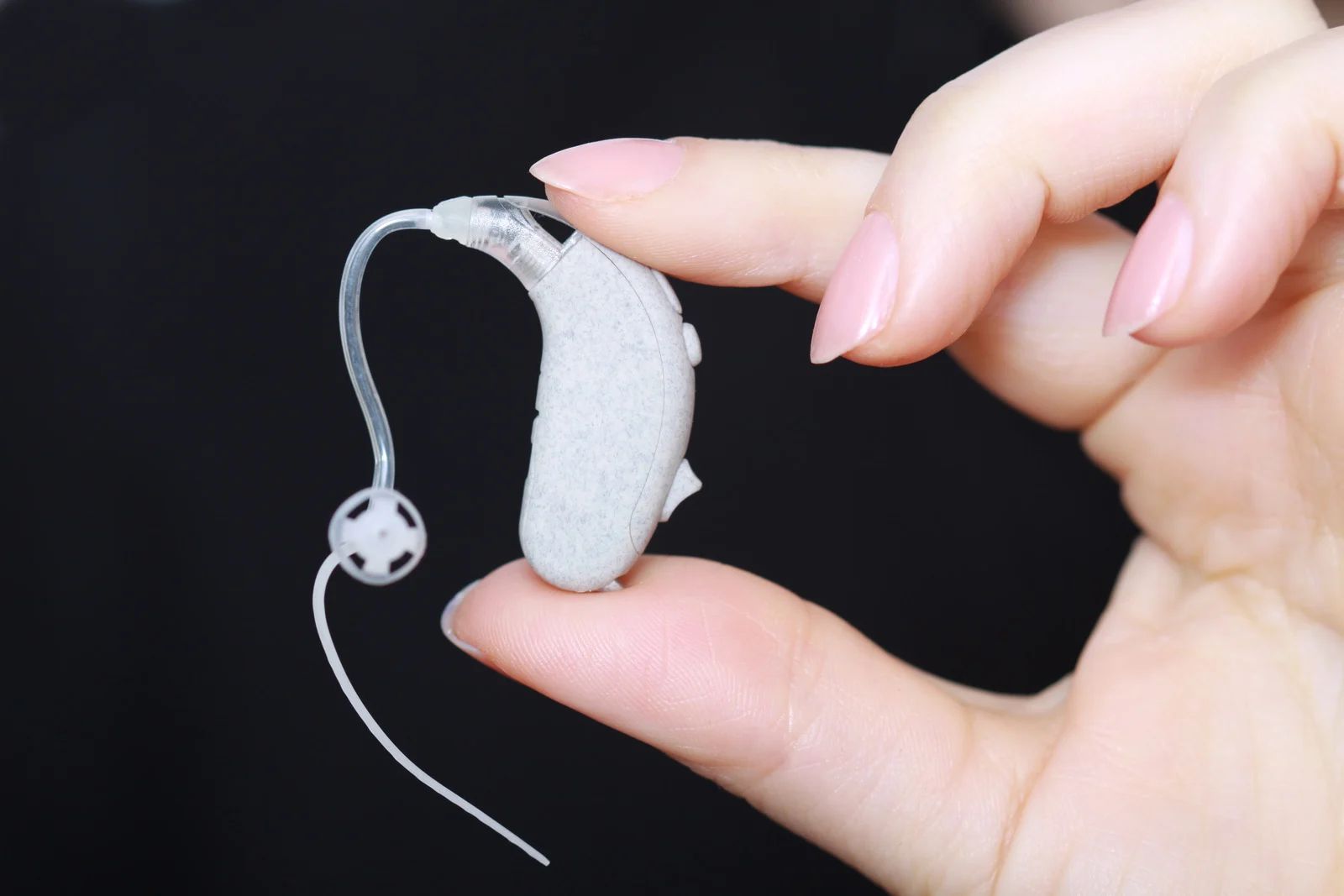
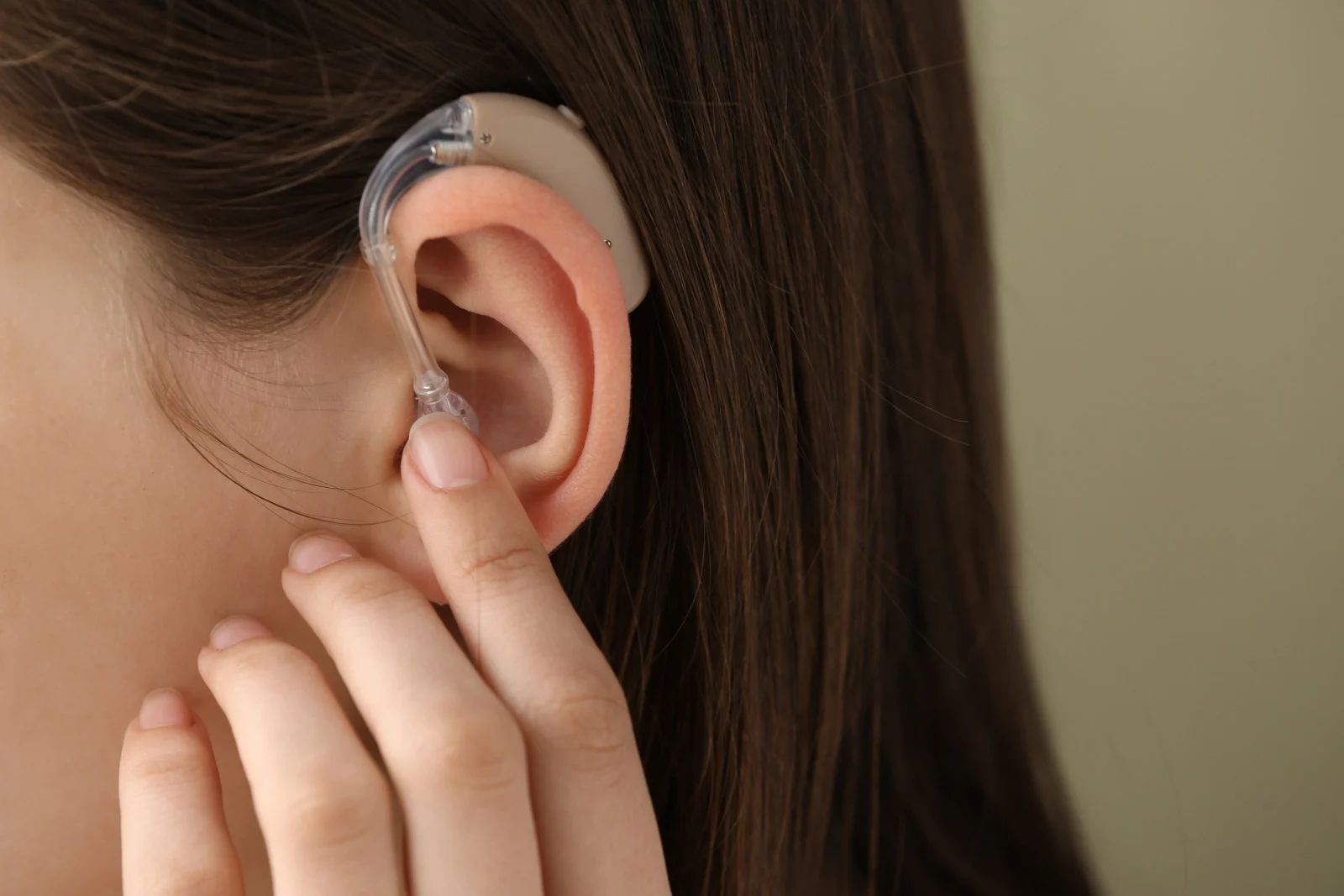
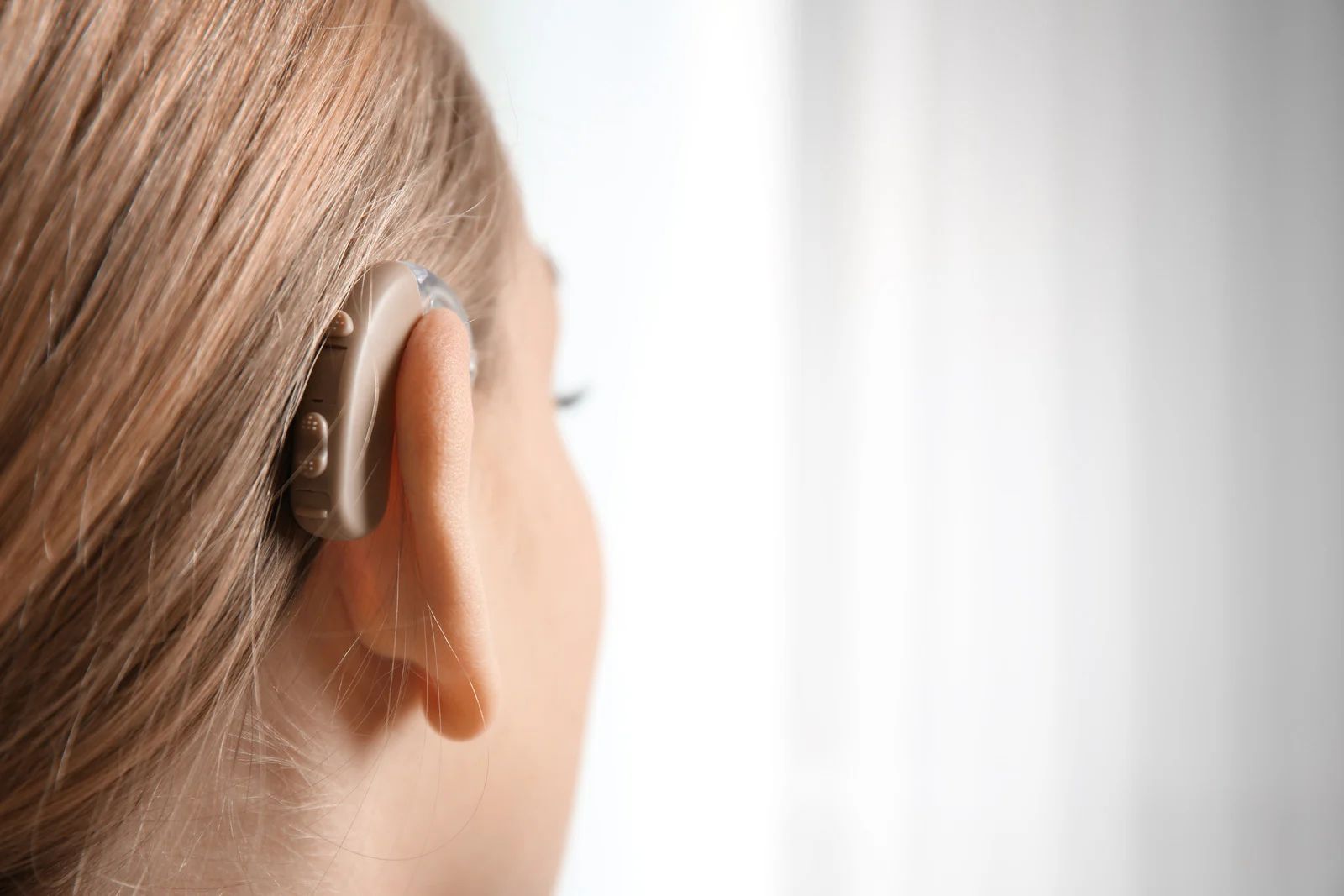
Minnesota winters are renowned for their breathtaking beauty, with snow-covered landscapes and crisp, clear skies. Yet, the extreme cold, dry air, and icy conditions that define this season can pose significant challenges for ear health and hearing aid maintenance.
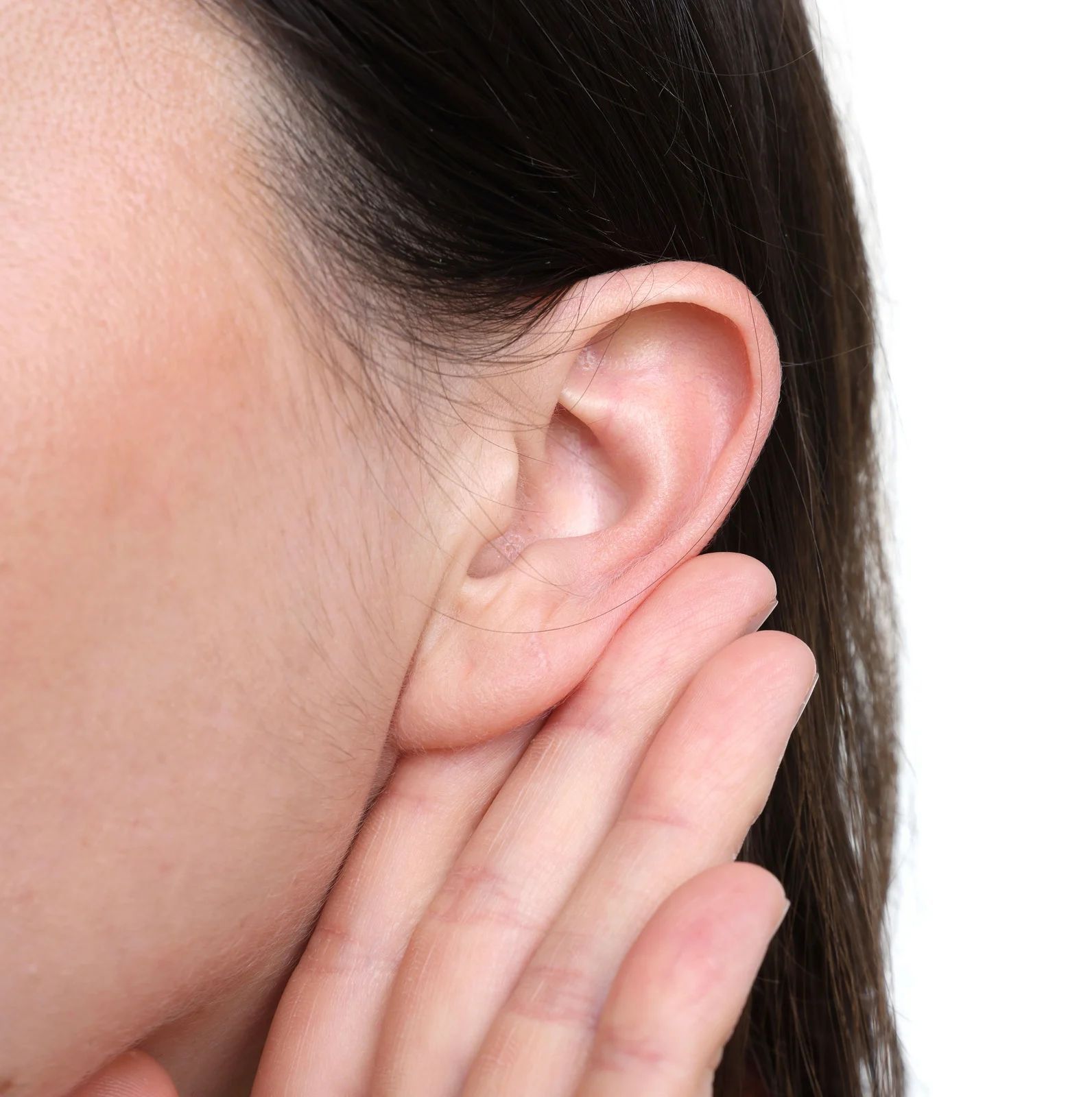
Hearing is more than a sense—it is a vital link to the world around us. It allows people to engage in conversations, enjoy shared experiences, and understand emotional nuances in everyday interactions. When hearing diminishes, even subtly, it can create significant challenges in personal and social spheres.
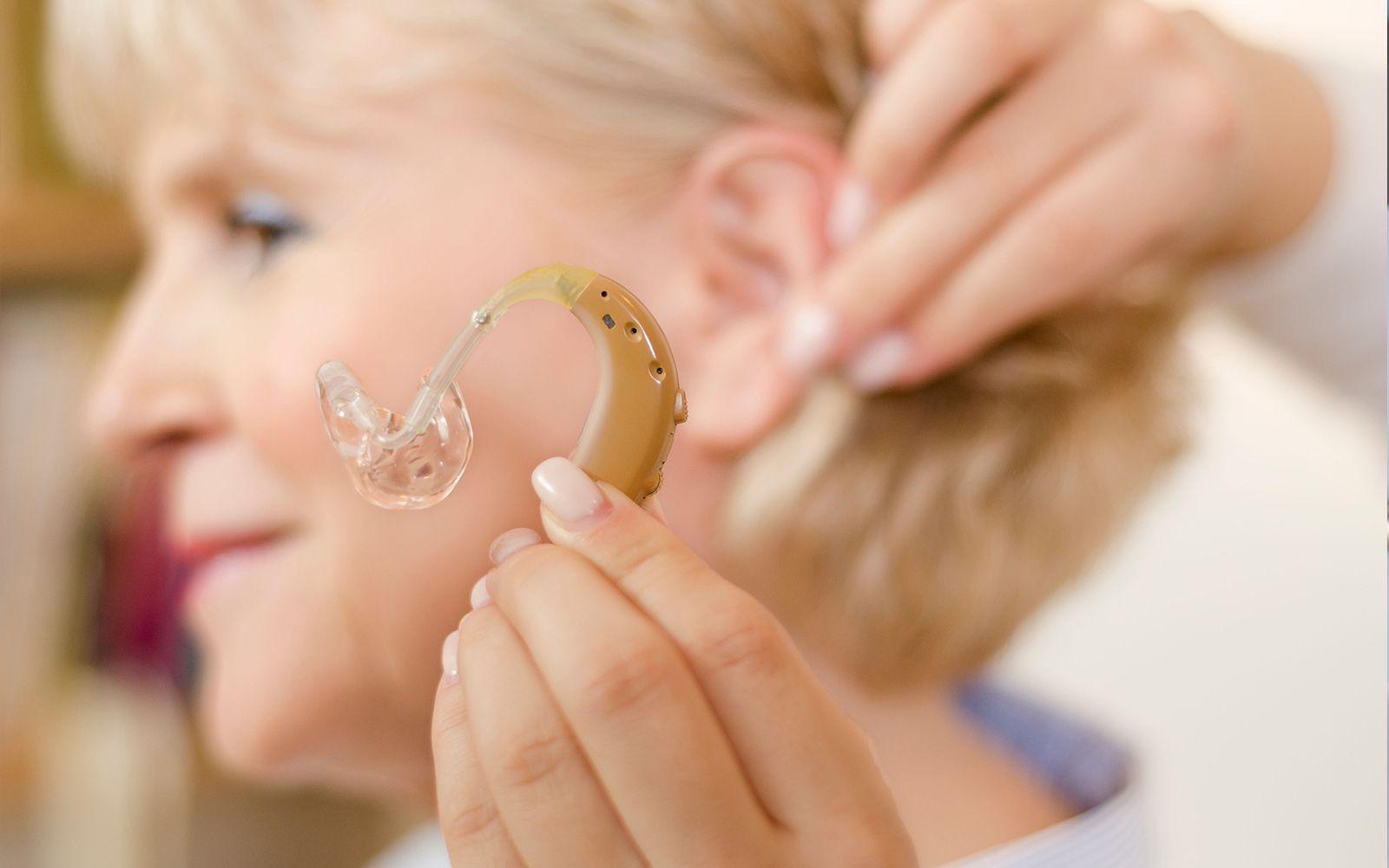
earing is one of the most vital senses, yet it is often taken for granted until signs of decline emerge. Globally, millions of individuals face hearing difficulties that affect communication, social engagement, and overall quality of life.
Minnesota winters are renowned for their breathtaking beauty, with snow-covered landscapes and crisp, clear skies. Yet, the extreme cold, dry air, and icy conditions that define this season can pose significant challenges for ear health and hearing aid maintenance.
Hearing is more than a sense—it is a vital link to the world around us. It allows people to engage in conversations, enjoy shared experiences, and understand emotional nuances in everyday interactions. When hearing diminishes, even subtly, it can create significant challenges in personal and social spheres.
earing is one of the most vital senses, yet it is often taken for granted until signs of decline emerge. Globally, millions of individuals face hearing difficulties that affect communication, social engagement, and overall quality of life.