How Earwax Impacts Your Hearing and When to Seek Professional Removal

September 11, 2025

A man is sitting at a desk holding a hearing aid in his hands.

1. Blocked Sound Transmission

When earwax accumulates and hardens, it can block the ear canal. This blockage prevents sound waves from properly reaching the eardrum, resulting in muffled or diminished hearing. In many cases, individuals mistake this for more serious hearing loss when the solution may be as simple as professional earwax removal. This type of blockage often occurs gradually, making it easy to overlook until hearing loss becomes noticeable during everyday conversations or phone calls.

2. Tinnitus and Discomfort

Impacted earwax can lead to sensations of fullness in the ear, discomfort, and even ringing in the ears (tinnitus). These symptoms are not only irritating but can also interfere with concentration, sleep, and overall quality of life. In some cases, the pressure from earwax buildup can also trigger headaches or a sensation of imbalance, adding to the discomfort.

3. Increased Risk of Infection

When earwax traps moisture or becomes impacted, it creates an ideal environment for bacterial growth. This can lead to outer ear infections (otitis externa), which are painful and may require medical treatment. Symptoms may include itching, redness, swelling, or discharge. Left untreated, these infections can worsen and spread, potentially affecting your overall ear health and causing long-term issues.

4. Mistaking Symptoms for Other Conditions

Earwax-related hearing loss can mimic age-related hearing decline or other auditory issues. Without a proper diagnosis, people may resort to unnecessary treatments or assume their hearing is permanently damaged. A professional ear exam can quickly determine whether earwax is the cause. Addressing the issue early helps avoid misdiagnosis and ensures you get the right solution, often a simple, non-invasive cleaning.

When Should You Seek Professional Earwax Removal?

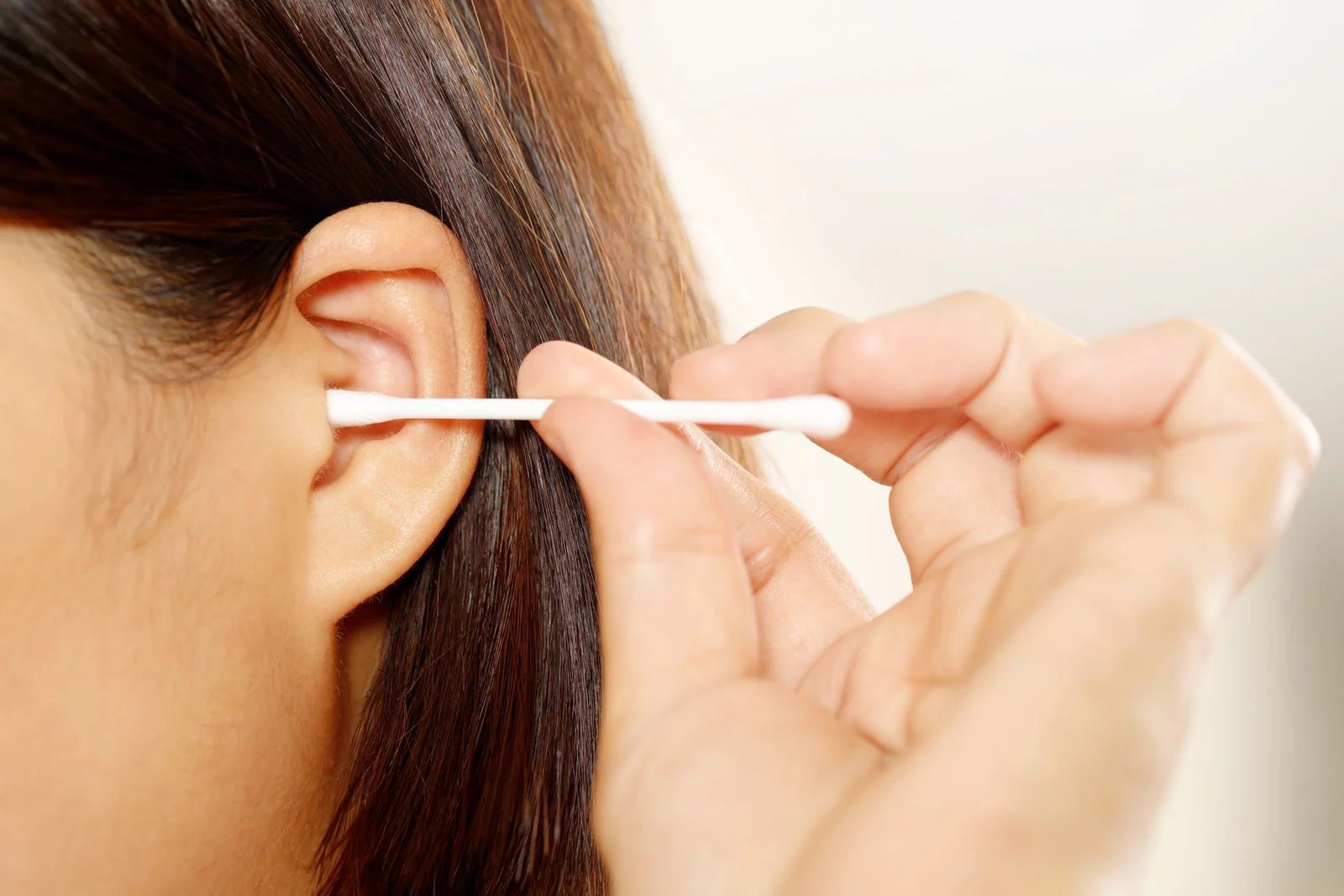
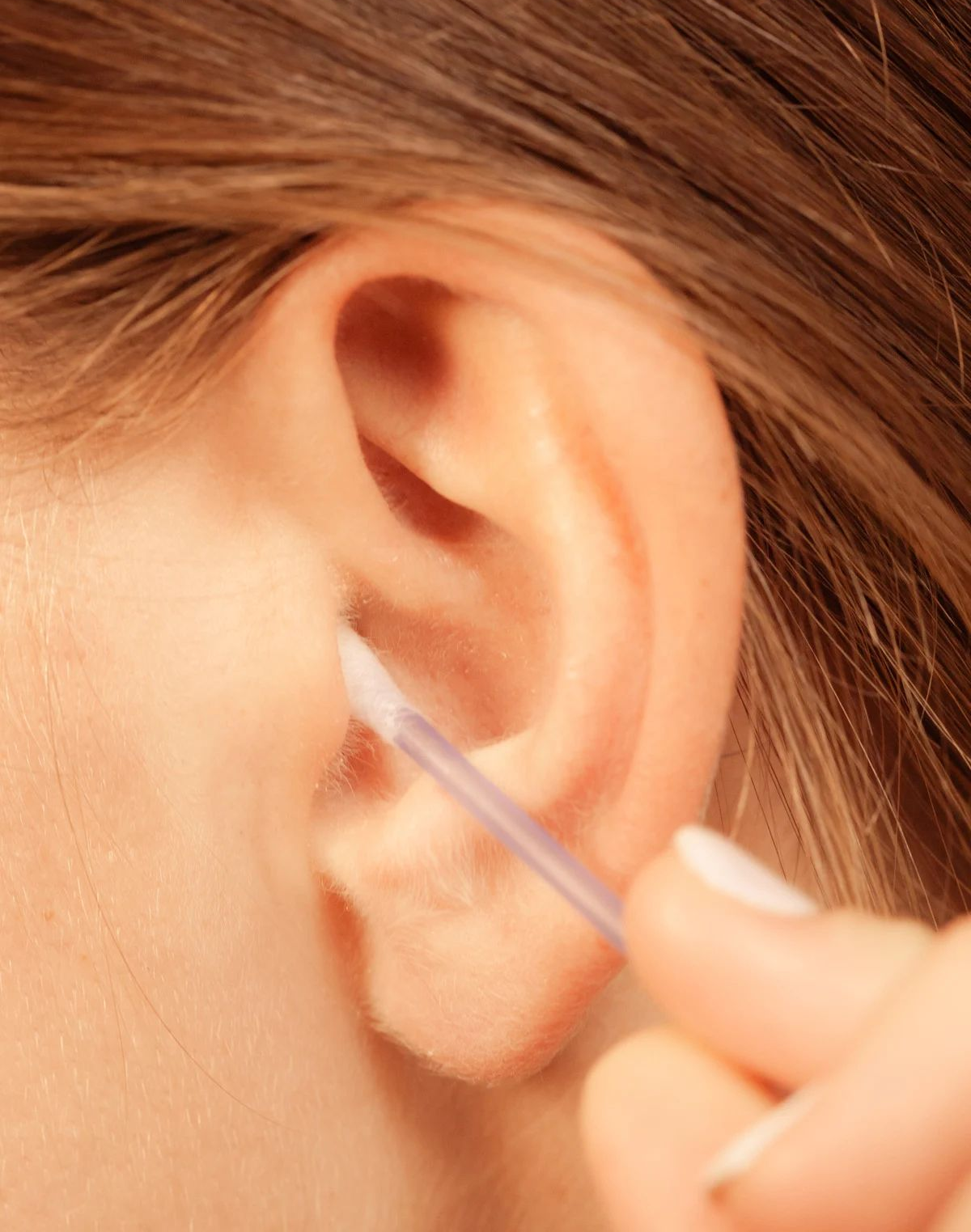
While some people may safely clean their ears at home, using cotton swabs or DIY kits can push wax deeper, worsening the problem. You should consider professional removal if you experience:

  • Sudden or gradual hearing loss

  • Ear pain or a plugged sensation

  • Persistent ringing or buzzing in the ears

  • Discharge or foul odor from the ear

  • Dizziness or balance issues

If any of these symptoms persist or worsen, it’s important not to delay care.


 Professionals use safe and effective methods like irrigation, suction, or curettage to remove excess earwax without damaging the ear canal, ensuring relief and restoring your hearing clarity.

Trust the Experts at Trebil Hearing Center

If you're struggling with hearing issues caused by earwax, turn to the specialists at Trebil Hearing Center in Crosslake, MN. With over 40 years of experience, Trebil Hearing Center is committed to improving your hearing health through comprehensive and compassionate care. Our team uses advanced diagnostic tools and safe techniques to ensure that earwax removal is quick, comfortable, and effective. Don’t let untreated earwax buildup impact your quality of life—schedule a visit with Trebil Hearing Center and experience better hearing today.

Close-up of a person wearing a behind-the-ear hearing aid against a bright background
May 6, 2026
Minnesota winters are renowned for their breathtaking beauty, with snow-covered landscapes and crisp, clear skies. Yet, the extreme cold, dry air, and icy conditions that define this season can pose significant challenges for ear health and hearing aid maintenance.
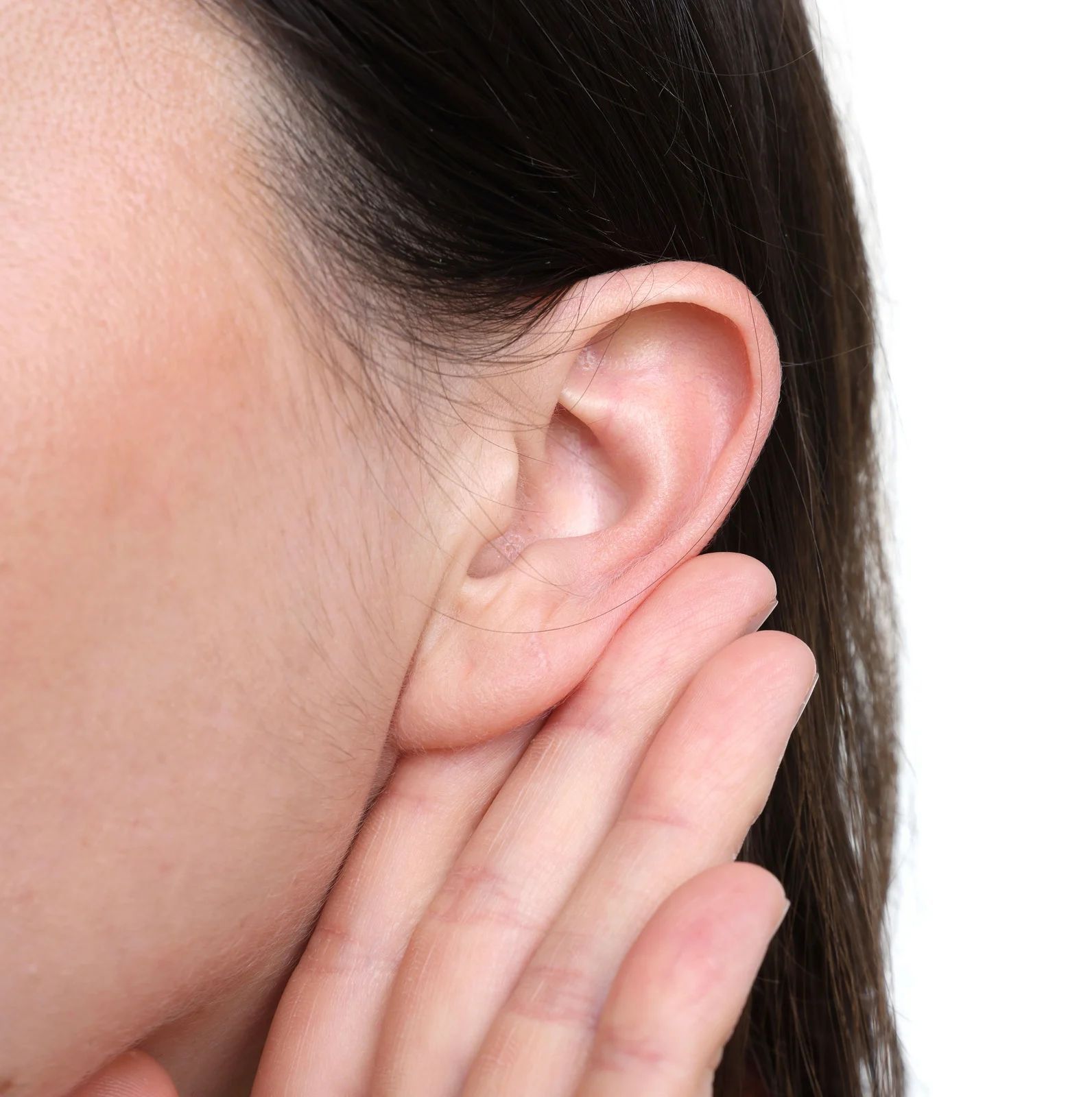
A person holding their hand up to their ear as if listening closely.
April 14, 2026
Hearing is more than a sense—it is a vital link to the world around us. It allows people to engage in conversations, enjoy shared experiences, and understand emotional nuances in everyday interactions. When hearing diminishes, even subtly, it can create significant challenges in personal and social spheres.
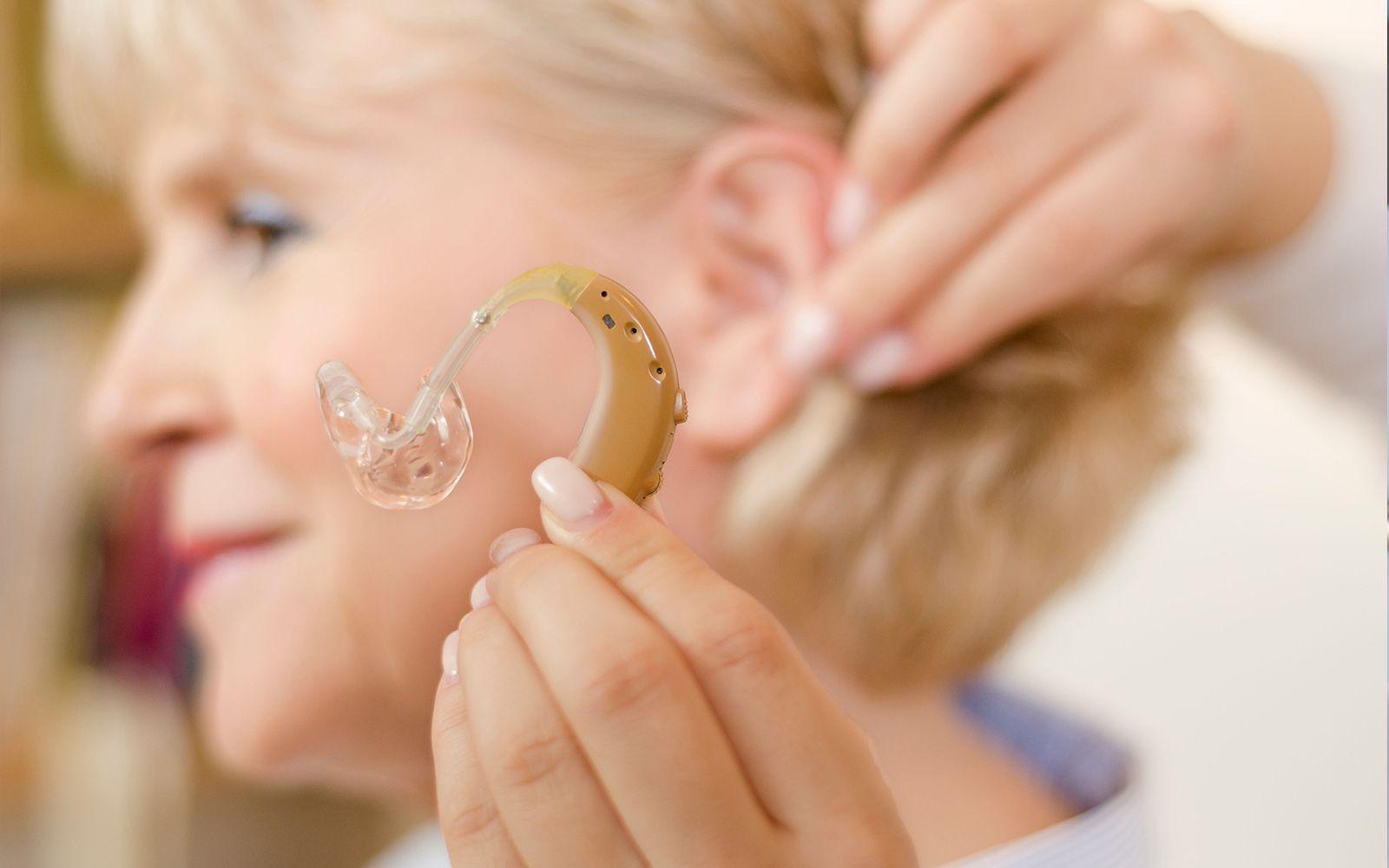
A person carefully holding a beige behind-the-ear hearing aid near another person’s ear.
March 18, 2026
earing is one of the most vital senses, yet it is often taken for granted until signs of decline emerge. Globally, millions of individuals face hearing difficulties that affect communication, social engagement, and overall quality of life.
Show More
Close-up of a person wearing a behind-the-ear hearing aid against a bright background
May 6, 2026
Minnesota winters are renowned for their breathtaking beauty, with snow-covered landscapes and crisp, clear skies. Yet, the extreme cold, dry air, and icy conditions that define this season can pose significant challenges for ear health and hearing aid maintenance.
A person holding their hand up to their ear as if listening closely.
April 14, 2026
Hearing is more than a sense—it is a vital link to the world around us. It allows people to engage in conversations, enjoy shared experiences, and understand emotional nuances in everyday interactions. When hearing diminishes, even subtly, it can create significant challenges in personal and social spheres.
A person carefully holding a beige behind-the-ear hearing aid near another person’s ear.
March 18, 2026
earing is one of the most vital senses, yet it is often taken for granted until signs of decline emerge. Globally, millions of individuals face hearing difficulties that affect communication, social engagement, and overall quality of life.
Show More