What to Expect During Your First Visit to a Hearing Specialist

January 30, 2026

Visiting a hearing specialist for the first time can feel overwhelming. Many people delay seeking help due to uncertainty about what the appointment entails, concerns about cost, or simply not knowing where to start. However, understanding the process in advance can alleviate anxiety and set realistic expectations. Early intervention is crucial, as untreated hearing issues can impact daily life, communication, and overall well-being. Addressing hearing problems early can prevent complications such as social isolation, fatigue from straining to hear, and even cognitive decline linked to prolonged hearing loss. A first visit is designed not only to assess your hearing health but also to guide you toward solutions tailored to your needs, giving you confidence in taking the next steps toward improved hearing.


Hearing specialists, also known as audiologists, are trained to evaluate, diagnose, and treat hearing disorders. During your initial appointment, you can expect a comprehensive approach that includes a detailed discussion of your medical history, a series of diagnostic tests, and personalized recommendations. Each step is structured to provide clarity, support, and actionable solutions, ensuring that patients leave informed and confident. Specialists also offer guidance on lifestyle adjustments and preventive measures to maintain long-term hearing health. By familiarizing yourself with what to expect, you can approach your first visit with confidence, understanding that professional guidance is available every step of the way. In this guide, we will walk you through the process of a first hearing appointment, helping you prepare and make the most of your experience, so you can focus on achieving better hearing and improved quality of life.

A man is sitting at a desk holding a hearing aid in his hands.

1. Preparing for Your Appointment

  • Understanding Your Hearing Concerns

    Before your appointment, it is important to identify and clarify the issues you are experiencing. Are you struggling to follow conversations in noisy environments, frequently asking others to repeat themselves, or noticing ringing in your ears? Documenting specific symptoms and their frequency can help your specialist pinpoint potential causes more accurately.

    Many patients also benefit from discussing their concerns with family members. Sometimes, loved ones notice changes in hearing that the individual may not recognize. This collaborative approach can provide the audiologist with a more comprehensive understanding of your hearing health.

  • Gathering Relevant Information

    Bring any relevant medical records, previous hearing tests, or information about medications you take. Certain medications can affect hearing, and a detailed health history ensures the specialist can consider all factors. Additionally, noting any occupational or recreational noise exposure is helpful, as it may influence the assessment and recommendations.

  • Setting Realistic Expectations

    Understanding the goals of your first visit is crucial. The appointment is primarily diagnostic, aimed at identifying hearing loss severity, type, and potential causes. While treatment options may be discussed, the initial focus is on understanding your current hearing condition. Arriving with realistic expectations helps reduce stress and allows for a more productive consultation.

2. The Initial Consultation

  • Medical and Lifestyle History:- Upon arrival, the specialist will begin by reviewing your medical history, including past illnesses, surgeries, and medications. Lifestyle factors, such as exposure to loud noises or previous ear injuries, will also be discussed. This information helps the audiologist differentiate between various types of hearing loss, such as sensorineural or conductive, and tailor a diagnostic plan accordingly.


  • Symptom Discussion:-  You will be asked detailed questions about your hearing challenges, including onset, duration, and situations where difficulties occur. For example, some patients notice issues primarily in crowded spaces, while others experience constant ringing or muffled sounds. Providing honest, specific responses enables the specialist to identify patterns and potential underlying causes.

  • Setting Goals:- A key component of the consultation is understanding your personal goals. Are you seeking to improve clarity in conversations, reduce tinnitus symptoms, or prevent further hearing loss? Establishing these objectives ensures that any subsequent recommendations align with your lifestyle and expectations.

3. Comprehensive Hearing Assessment

  • Physical Examination of the Ears

    The hearing evaluation often begins with a visual inspection of the ears using an otoscope. The audiologist will check for earwax buildup, signs of infection, or structural abnormalities that may impact hearing. Identifying and addressing such issues can prevent misdiagnosis and ensure accurate test results.

  • Pure-Tone Audiometry

    Pure-tone audiometry is a standard hearing test where you listen to a series of tones at varying pitches and volumes through headphones. You indicate when you hear each sound, allowing the audiologist to determine the quietest sounds you can detect. This test helps identify the type and severity of hearing loss across different frequencies.

  • Speech Recognition Tests

    Speech recognition tests evaluate your ability to understand spoken words, particularly in challenging listening environments. You may be asked to repeat words or sentences presented at different volumes or with background noise. These tests provide insight into real-world hearing challenges, guiding recommendations for hearing aids or other interventions.

  • Additional Diagnostic Tests

    Depending on initial results, further tests may be recommended, including tympanometry to assess middle ear function or otoacoustic emissions (OAEs) to evaluate inner ear activity. These tests provide a comprehensive picture of your hearing health, ensuring that all factors are considered before developing a treatment plan.

4. Understanding Your Results

  • Interpreting the Audiogram:- After testing, your audiologist will review the results with you, typically using an audiogram—a chart representing your hearing sensitivity at different frequencies. This visual tool makes it easier to understand the degree and pattern of your hearing loss. Mild, moderate, or severe classifications indicate the impact on everyday listening, and the audiologist will explain what these terms mean for your daily life.


  • Explaining the Implications:-  Beyond identifying hearing loss, your specialist will discuss potential causes and implications. For example, age-related hearing loss may progress gradually, while noise-induced hearing loss could require immediate preventive measures. Understanding these factors empowers you to make informed decisions about next steps.

  • Addressing Concerns:- It is common to have questions or concerns after reviewing your results. Audiologists encourage open dialogue, addressing worries about hearing aid options, communication strategies, or lifestyle adjustments. This discussion ensures that you feel supported and fully informed before making any decisions.

5. Exploring Treatment Options

  • Hearing Aids and Assistive Devices

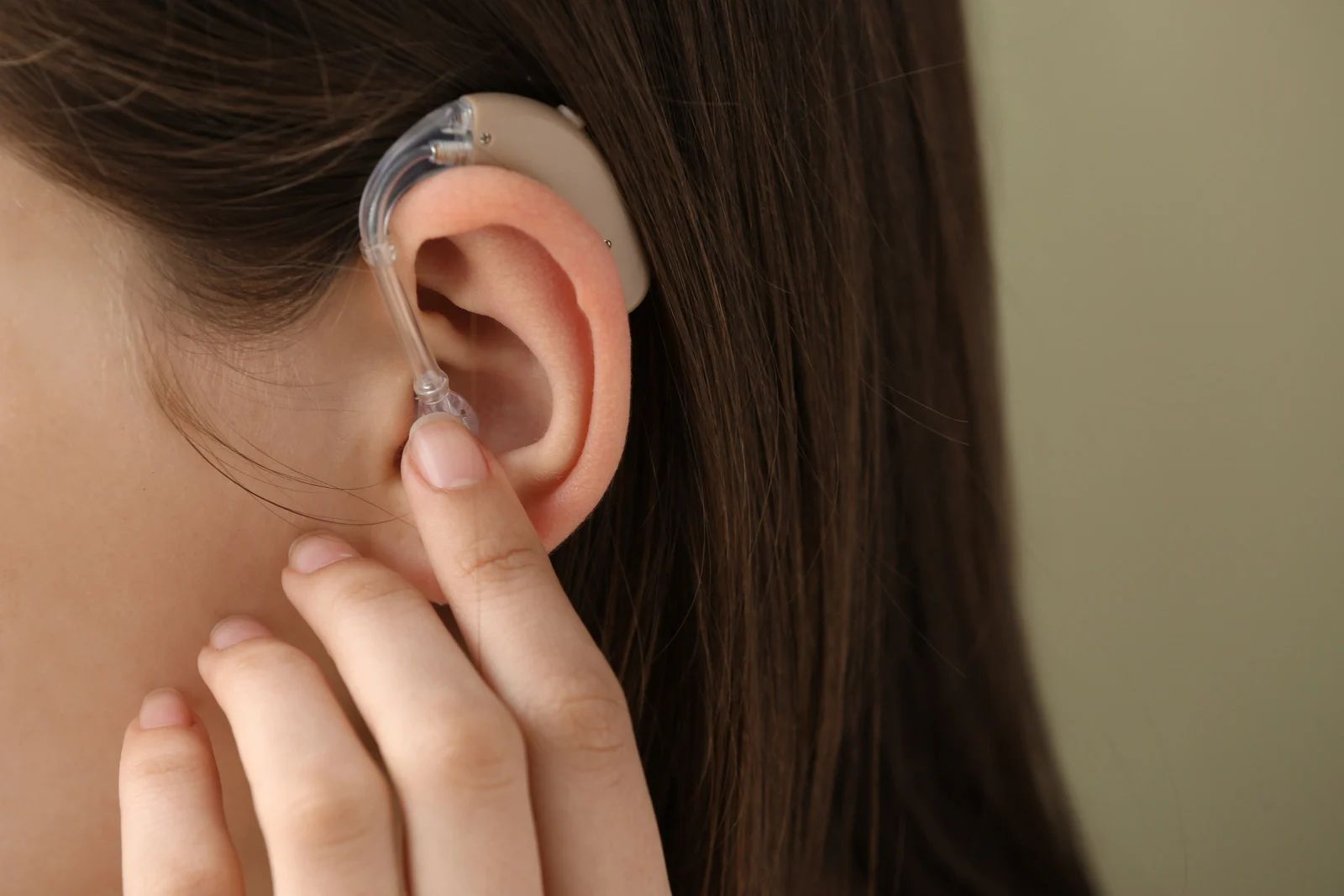
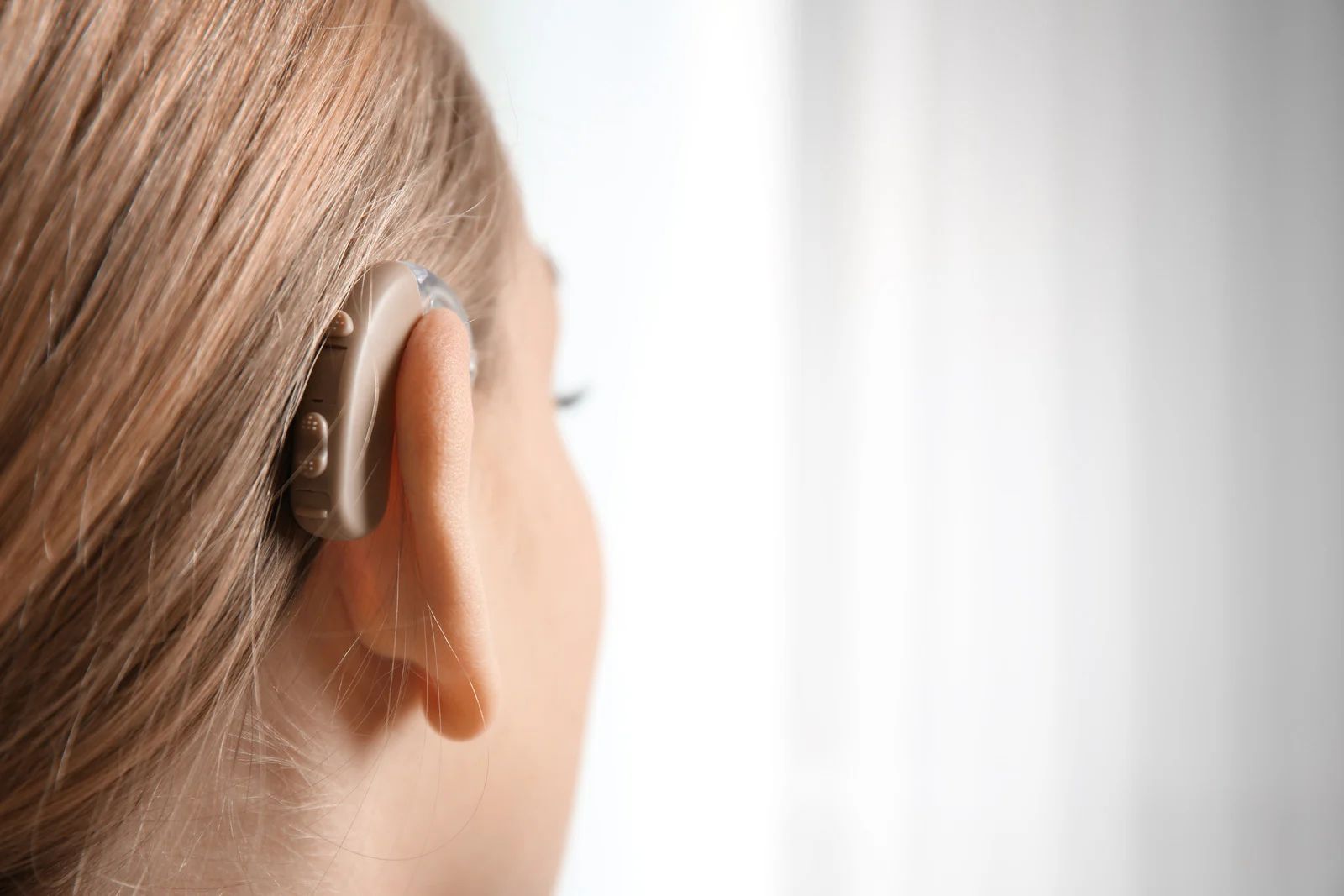
    If hearing loss is identified, the audiologist may recommend hearing aids or other assistive devices. Modern hearing aids are highly customizable, offering advanced features such as noise reduction, directional microphones, and smartphone connectivity. The specialist will explain how each option can address your specific hearing challenges.

  • Non-Hearing Aid Solutions

    Not all hearing issues require devices. Recommendations may include auditory training exercises, lifestyle adjustments, or tinnitus management strategies. For some patients, regular monitoring and preventive care may be the most appropriate approach.

  • Personalized Care Plan

    Your hearing specialist will provide a personalized plan tailored to your needs, preferences, and budget. This plan may include device selection, fitting, follow-up appointments, and guidance on maintaining hearing health. Clear instructions and timelines help ensure a smooth transition from assessment to treatment.

  • Setting Expectations for Adaptation

    Using hearing aids or assistive devices requires adjustment. Specialists will explain the adaptation process, including the importance of consistent use, proper maintenance, and regular follow-ups. Understanding this process helps patients set realistic expectations and achieve the best possible outcomes.

6. Follow-Up and Ongoing Support

  • Scheduling Follow-Up Appointments:- A first visit is only the beginning of an ongoing hearing health journey. Follow-up appointments allow your audiologist to fine-tune devices, monitor progress, and address any new concerns. Regular visits are crucial for ensuring optimal performance and long-term satisfaction.


  • Education and Self-Care:-  Audiologists often provide resources on hearing preservation, ear hygiene, and strategies for communication in challenging environments. Learning how to protect your hearing and maximize device effectiveness empowers you to maintain quality hearing for years to come.

  • Long-Term Hearing Health:- Hearing loss can change over time, so maintaining an ongoing relationship with a hearing specialist is essential. Periodic evaluations help detect changes early, enabling timely interventions and preventing further complications. Continuous support ensures that you remain proactive about your hearing health.

Reliable, Personalized Hearing Solutions for Every Patient

Visiting a hearing specialist for the first time is an important step toward understanding and addressing hearing challenges. By preparing for the appointment, participating actively in assessments, and discussing your goals and concerns, you can ensure a thorough and productive experience. Comprehensive testing and personalized care plans help identify the type and severity of hearing loss, while offering tailored solutions to improve communication and overall quality of life. Early intervention, professional guidance, and ongoing support are key to managing hearing health effectively. Taking this proactive approach not only helps restore clarity in daily interactions but also supports long-term cognitive and emotional well-being. Patients who engage fully in the process often experience greater confidence, comfort, and satisfaction with their hearing care journey.


At Trebil Hearing Center in Crosslake, MN, patients benefit from over 40 years of experience in providing expert hearing solutions. Our family-oriented approach ensures each appointment is thorough, personalized, and compassionate. From initial assessments to customized hearing aids and long-term support, we prioritize patient education, comfort, and optimal outcomes. As a trusted hearing aid center, we are dedicated to enhancing hearing health, improving daily communication, and empowering patients to enjoy life fully through exceptional, reliable care. Our team also stays up-to-date with the latest audiology technologies and techniques, ensuring patients receive the most effective, modern solutions available. With Trebil Hearing Center, every patient can expect attentive guidance, ongoing support, and a true partnership in maintaining their hearing health for years to come.

Hand holding a beige hearing aid against a turquoise background.
February 6, 2026
Hearing aids have become an essential tool for millions of people managing hearing loss, and technological advancements have transformed the user experience dramatically. Modern hearing aids now offer not only improved sound quality and connectivity but also greater convenience and customization.
Person putting an ear piece into their ear that is attached to a hearing aid.
December 18, 2025
Exploring Minnesota’s vast wilderness is more than a pastime—it’s a way of life. Whether trekking along dense forest trails or waiting patiently in a tree stand during hunting season, outdoor enthusiasts rely heavily on their senses to stay aware, safe, and confident. Among these, hearing plays an irreplaceable role.
Person inserting yellow earplug into their ear.
November 13, 2025
Boating and fishing are beloved pastimes for many on Cross Lake, MN, offering relaxation, adventure, and connection with nature. However, the excitement of motorboats, jet skis, and other watercraft comes with a hidden risk: prolonged exposure to high-decibel sounds that can damage hearing over time.
Show More
Hand holding a beige hearing aid against a turquoise background.
February 6, 2026
Hearing aids have become an essential tool for millions of people managing hearing loss, and technological advancements have transformed the user experience dramatically. Modern hearing aids now offer not only improved sound quality and connectivity but also greater convenience and customization.
Person putting an ear piece into their ear that is attached to a hearing aid.
December 18, 2025
Exploring Minnesota’s vast wilderness is more than a pastime—it’s a way of life. Whether trekking along dense forest trails or waiting patiently in a tree stand during hunting season, outdoor enthusiasts rely heavily on their senses to stay aware, safe, and confident. Among these, hearing plays an irreplaceable role.
Person inserting yellow earplug into their ear.
November 13, 2025
Boating and fishing are beloved pastimes for many on Cross Lake, MN, offering relaxation, adventure, and connection with nature. However, the excitement of motorboats, jet skis, and other watercraft comes with a hidden risk: prolonged exposure to high-decibel sounds that can damage hearing over time.
Show More