Rechargeable vs. Battery-Powered Hearing Aids: Which Is Right for You?

February 6, 2026

Hearing aids have become an essential tool for millions of people managing hearing loss, and technological advancements have transformed the user experience dramatically. Modern hearing aids now offer not only improved sound quality and connectivity but also greater convenience and customization. Among the most significant innovations in recent years are rechargeable hearing aids, which have emerged as a popular alternative to traditional battery-powered devices. As consumers face an array of options, understanding the distinctions between these two power sources is crucial for making an informed choice that complements lifestyle, budget, and hearing needs. With the hearing aid market evolving rapidly, staying informed about technological updates and features ensures that users select devices that truly enhance their daily lives and long-term hearing health.


Choosing the right hearing aid involves more than selecting a device based on aesthetics or price. The type of power source can impact daily routines, long-term costs, and overall user satisfaction. Rechargeable hearing aids offer convenience and eco-friendly advantages, while battery-powered devices provide flexibility and simplicity. Evaluating the pros and cons of each, along with practical considerations such as maintenance, reliability, and performance, allows individuals to make decisions tailored to their unique needs. By considering lifestyle factors, technological requirements, and personal preferences, users can confidently select a solution that balances comfort, functionality, and efficiency in their hearing care journey.

A man is sitting at a desk holding a hearing aid in his hands.

1. Understanding Hearing Aid Power Sources

  • Rechargeable Hearing Aids

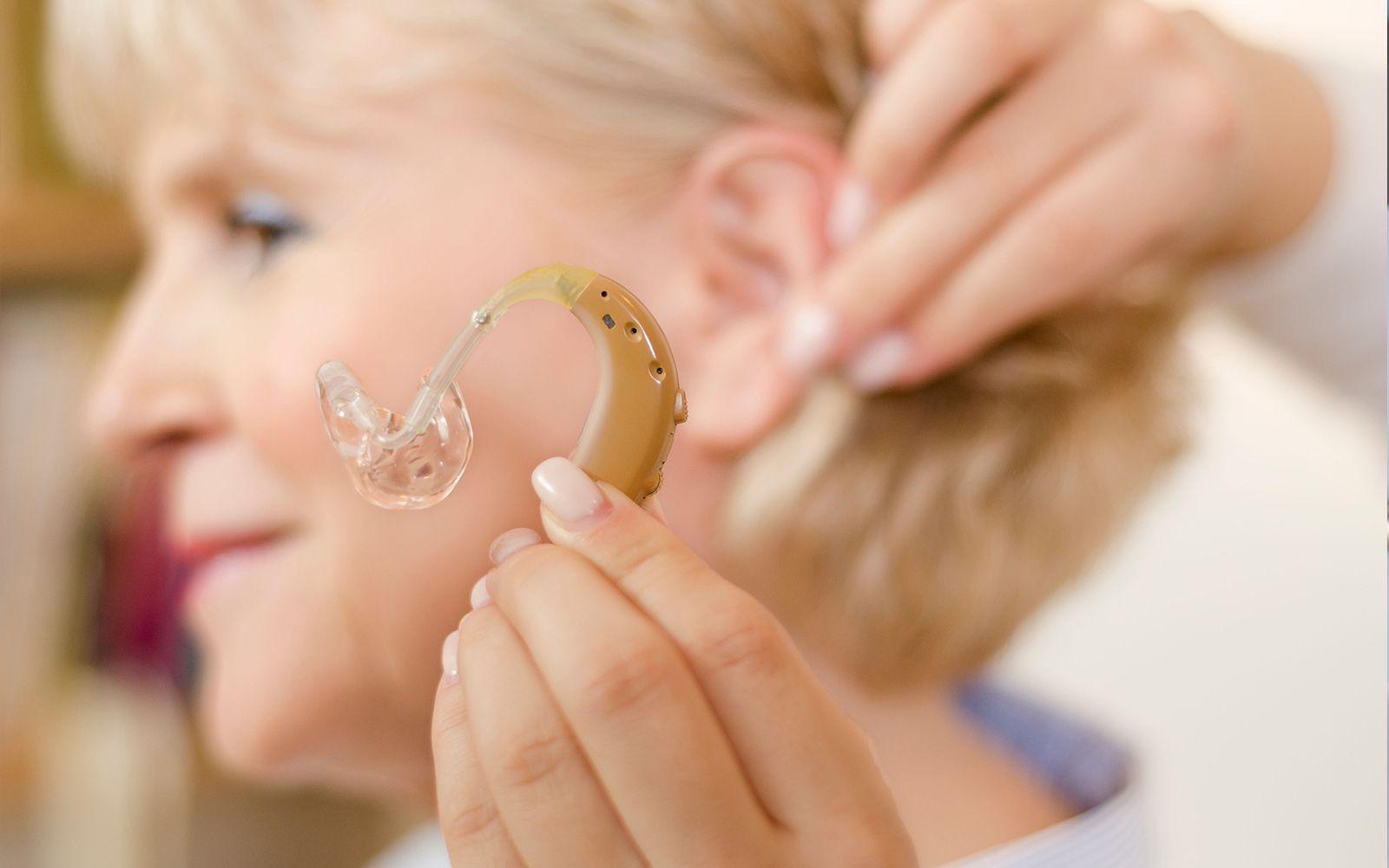
    Rechargeable hearing aids utilize built-in lithium-ion or silver-zinc batteries that can be recharged daily or every few days, depending on usage. Users simply place their devices in a charging dock overnight, eliminating the need to manually replace small batteries. The convenience of this system is particularly appealing for individuals with dexterity challenges or busy lifestyles. Rechargeable models are available across various styles, including behind-the-ear (BTE) and in-the-ear (ITE) devices, ensuring a wide range of choices for different hearing needs.


    Rechargeable systems also tend to provide consistent performance throughout the day. Unlike traditional batteries, which can experience gradual power depletion, lithium-ion batteries often maintain a stable energy output until the device requires a recharge. This feature can improve listening quality, especially for users who rely on their hearing aids for extended periods, such as in professional or social environments.

  • Battery-Powered Hearing Aids

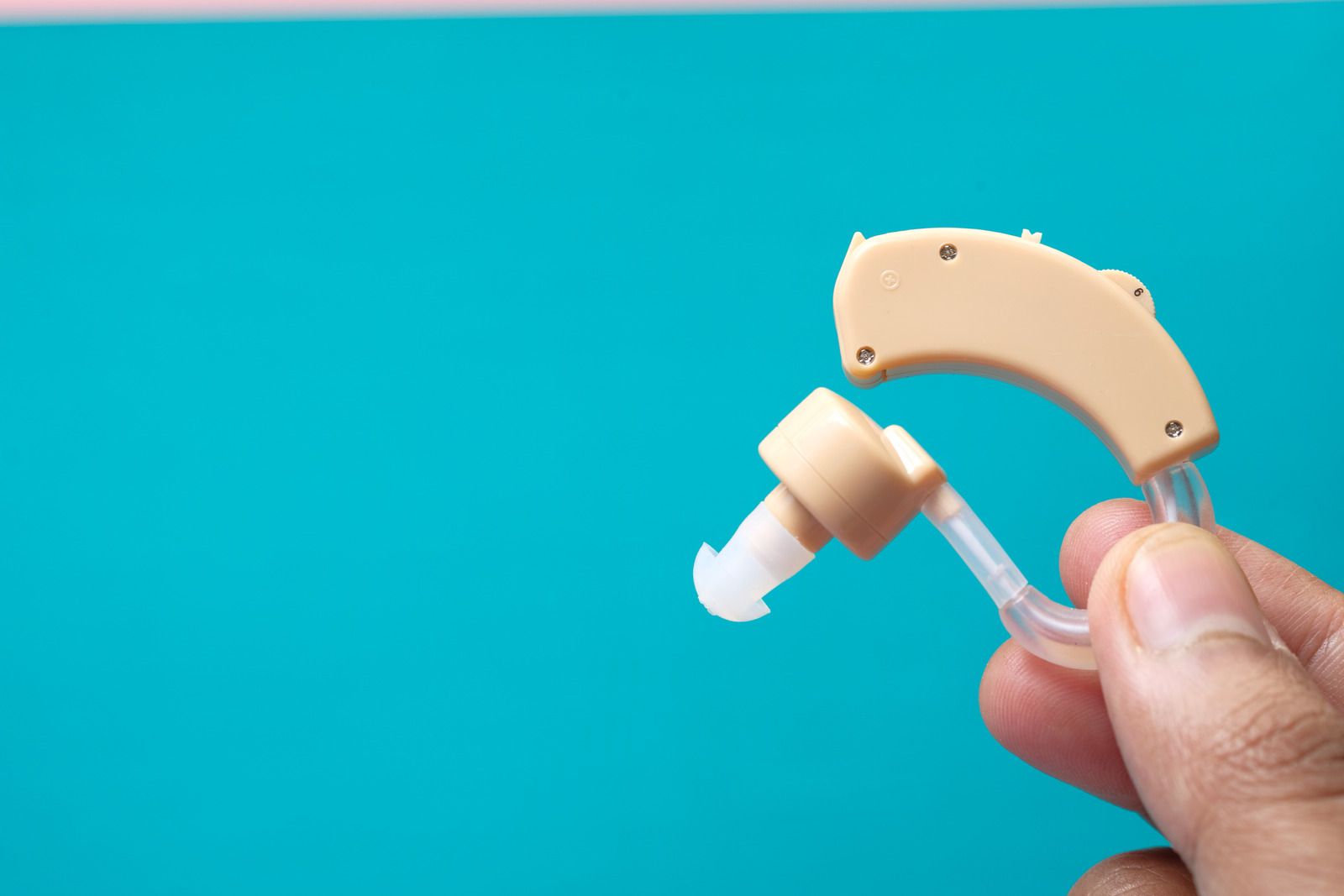
    Battery-powered hearing aids operate using disposable zinc-air batteries, commonly available in sizes 10, 312, 13, or 675. These batteries are activated by exposure to air and typically last from three to fourteen days, depending on device type, usage, and features like Bluetooth streaming. Battery-powered models have long been the industry standard due to their reliability and the simplicity of replacing batteries quickly without specialized equipment.


    One notable advantage is that battery-powered hearing aids can be a more cost-effective option upfront. Devices with disposable batteries are often less expensive than their rechargeable counterparts, which may appeal to users with limited budgets or those who prefer a lower initial investment. Additionally, users who travel frequently or have unpredictable access to electricity may appreciate the portability and immediate replaceability of disposable batteries.

2. Advantages and Challenges

Benefits of Rechargeable Hearing Aids

  • Convenience and Ease of Use:- Rechargeable hearing aids eliminate the need to buy, store, and replace batteries regularly. Users can simply place the device in a charger each night, similar to charging a smartphone. This ease of use reduces daily maintenance and simplifies routines for older adults or those with limited hand dexterity.
  • Eco-Friendly Considerations:-  Rechargeable batteries reduce waste compared to disposable zinc-air batteries, contributing to a more environmentally responsible choice. This is increasingly relevant for consumers who prioritize sustainable living practices.
  • Consistent Performance:- Because rechargeable batteries deliver steady power throughout the day, users may experience more consistent sound quality and fewer interruptions. Advanced devices often include fast-charging capabilities, allowing several hours of use from a short charging session if needed.
  • Enhanced Features Compatibility:- Many modern rechargeable hearing aids support advanced features such as Bluetooth streaming, smartphone integration, and directional microphones. Rechargeable batteries can better accommodate the power demands of these high-tech features without compromising performance.

Challenges of Rechargeable Hearing Aids

  • Higher Initial Cost:- Rechargeable hearing aids are generally more expensive upfront than battery-powered models. While long-term savings on batteries can offset this cost, the initial investment may be a barrier for some users.
  • Limited Replacement Options:-  If the rechargeable battery fails, replacing it often requires professional service rather than a simple DIY swap. In some cases, the entire device may need replacement after several years of use, although lithium-ion batteries are typically durable and last multiple years.
  • Dependency on Charging Routine:- Users must maintain a regular charging schedule to ensure uninterrupted use. Forgetting to charge can leave individuals without hearing assistance for extended periods, which may be inconvenient during travel or emergencies.

Benefits of Battery-Powered Hearing Aids

  • Flexibility and Accessibility:- RDisposable batteries are widely available in stores and online, allowing users to quickly replace depleted batteries anywhere. This flexibility is beneficial for travelers or those in areas with limited access to electricity.
  • Lower Upfront Cost:-  Battery-powered hearing aids often have a more affordable initial price, making them accessible to a broader audience. Users can invest in higher-quality devices while managing expenses incrementally through battery purchases.
  • Predictable Lifespan:- Each battery typically provides a known duration of power, allowing users to anticipate replacement needs and maintain uninterrupted hearing support.

Challenges of Battery-Powered Hearing Aids

  • Ongoing Cost and Maintenance:- The recurring expense of disposable batteries can accumulate over time, sometimes offsetting the lower initial investment. Users must also manage the logistics of storing and disposing of spent batteries safely.
  • Potential Performance Fluctuations:-  As disposable batteries near depletion, hearing aids may experience a gradual decline in performance, potentially affecting sound clarity and reliability until the battery is replaced.
  • Environmental Impact:- Frequent battery replacement generates more waste and may have a greater environmental impact compared to rechargeable systems, which can be a consideration for eco-conscious users.

3. Lifestyle Considerations

  • Daily Routine and Convenience

    For individuals with busy schedules, rechargeable hearing aids offer a simple, low-maintenance option. Overnight charging aligns with common habits and removes the need to monitor battery levels constantly. On the other hand, battery-powered devices may require users to carry spare batteries and plan for replacements, which can be cumbersome for highly active or travel-oriented lifestyles.

  • Age and Dexterity

    Older adults or users with limited manual dexterity may find disposable batteries challenging to handle. Rechargeable hearing aids minimize fine motor requirements, allowing for easier insertion and removal without struggling with tiny batteries. This practical advantage can significantly enhance user satisfaction and reduce frustration.

  • Travel and Accessibility

    Frequent travelers may benefit from battery-powered hearing aids due to the widespread availability of disposable batteries worldwide. Rechargeable models, while convenient, require access to power outlets, which may be less predictable during long trips or remote stays. Consideration of travel patterns is essential when selecting a hearing aid type.

4. Cost Analysis and Long-Term Considerations

  • Upfront Costs vs. Ongoing Expenses:- Rechargeable hearing aids typically cost more initially due to integrated battery technology and charging equipment. However, users save on the recurring purchase of disposable batteries, which can be substantial over several years. Conversely, battery-powered devices have a lower upfront cost but incur ongoing expenses for battery replacement. Evaluating long-term costs helps determine the most economical choice based on usage patterns.


  • Durability and Longevity:-  Rechargeable batteries are designed to retain capacity for several years, typically around three to five years, depending on usage and care. Proper maintenance ensures reliable performance throughout this period. Disposable batteries provide consistent performance per cycle but require frequent replenishment. Users should weigh the convenience of longevity against replacement logistics.

  • Insurance and Coverage:- Some insurance plans cover specific hearing aid models, including rechargeable devices, while others may reimburse ongoing battery costs. Understanding coverage options and out-of-pocket expenses can influence the decision between rechargeable and battery-powered devices.

Trusted Professionals Ensuring Clear, Reliable Hearing Solutions

Selecting between rechargeable and battery-powered hearing aids requires a thoughtful evaluation of convenience, cost, lifestyle, and technological needs. Rechargeable devices offer ease of use, consistent performance, and environmental benefits, making them ideal for tech-savvy users or individuals seeking low-maintenance solutions. Battery-powered hearing aids provide flexibility, accessibility, and a lower initial investment, appealing to users who value straightforward, reliable options or frequently travel to areas with limited access to power sources. Ultimately, the right choice depends on individual preferences, hearing requirements, and daily routines, with each option offering distinct advantages to enhance quality of life. Considering these factors carefully ensures users maximize both comfort and long-term satisfaction with their hearing aids, supporting better communication and overall wellbeing.


At Trebil Hearing Center, we bring over 40 years of experience in providing personalized hearing solutions to our community in Crosslake, MN. Our team of experts guides clients through every stage of the hearing aid selection process, including evaluating rechargeable and battery-powered options. With a commitment to detailed assessments, high-quality devices, and hands-on support, we ensure each client receives the best hearing solution tailored to their lifestyle. By combining decades of expertise with state-of-the-art technology, Trebil Hearing Center continues to improve hearing experiences and empower individuals with reliable, long-lasting solutions. We also prioritize ongoing education and follow-up care, ensuring clients feel confident in managing their hearing health for years to come.

Woman touching ear, red skin indicating pain or inflammation.
January 30, 2026
Visiting a hearing specialist for the first time can feel overwhelming. Many people delay seeking help due to uncertainty about what the appointment entails, concerns about cost, or simply not knowing where to start.
Person putting an ear piece into their ear that is attached to a hearing aid.
December 18, 2025
Exploring Minnesota’s vast wilderness is more than a pastime—it’s a way of life. Whether trekking along dense forest trails or waiting patiently in a tree stand during hunting season, outdoor enthusiasts rely heavily on their senses to stay aware, safe, and confident. Among these, hearing plays an irreplaceable role.
Person inserting yellow earplug into their ear.
November 13, 2025
Boating and fishing are beloved pastimes for many on Cross Lake, MN, offering relaxation, adventure, and connection with nature. However, the excitement of motorboats, jet skis, and other watercraft comes with a hidden risk: prolonged exposure to high-decibel sounds that can damage hearing over time.
Show More
Woman touching ear, red skin indicating pain or inflammation.
January 30, 2026
Visiting a hearing specialist for the first time can feel overwhelming. Many people delay seeking help due to uncertainty about what the appointment entails, concerns about cost, or simply not knowing where to start.
Person putting an ear piece into their ear that is attached to a hearing aid.
December 18, 2025
Exploring Minnesota’s vast wilderness is more than a pastime—it’s a way of life. Whether trekking along dense forest trails or waiting patiently in a tree stand during hunting season, outdoor enthusiasts rely heavily on their senses to stay aware, safe, and confident. Among these, hearing plays an irreplaceable role.
Person inserting yellow earplug into their ear.
November 13, 2025
Boating and fishing are beloved pastimes for many on Cross Lake, MN, offering relaxation, adventure, and connection with nature. However, the excitement of motorboats, jet skis, and other watercraft comes with a hidden risk: prolonged exposure to high-decibel sounds that can damage hearing over time.
Show More