How Hearing Loss Affects Outdoor Enthusiasts in Minnesota: Tips for Hunters and Hikers
December 18, 2025

Understanding Hearing Loss and Its Impact on Outdoor Activities
How Hearing Loss Develops
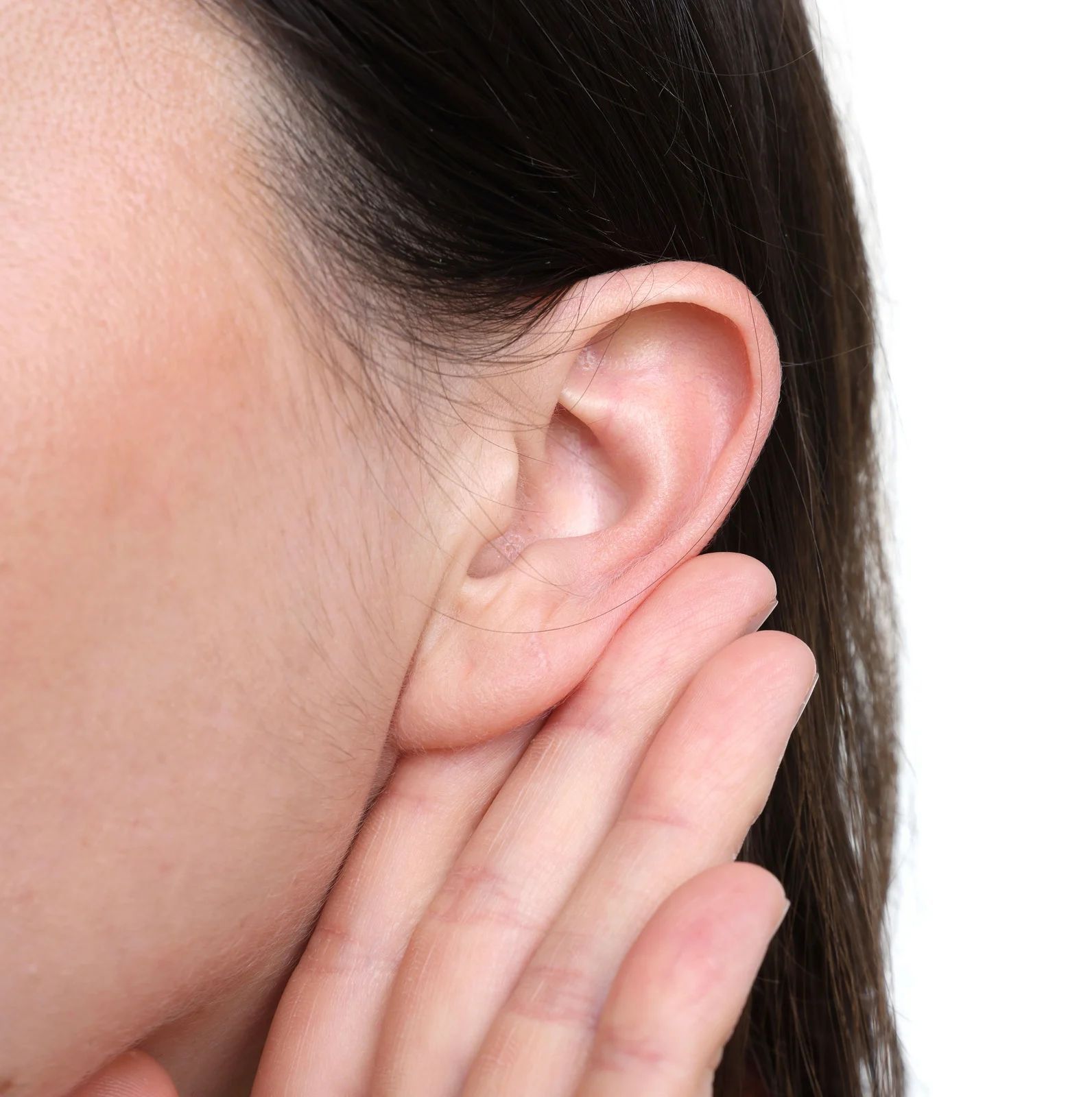
Hearing loss can occur gradually due to age, prolonged exposure to loud noise, genetics, or environmental factors. Many outdoor enthusiasts in Minnesota experience early signs without noticing them. Repeated exposure to gunfire, power equipment, or even loud engines can cause long-term auditory damage. When left unaddressed, these small deteriorations make it harder to localize sounds, maintain situational awareness, or communicate clearly.
Why Hearing Matters Outdoors
In Minnesota’s expansive wilderness, hearing helps you interpret your surroundings instantly. A sudden twig snap may signal approaching wildlife. The whistle of the wind can indicate changing weather. For hunters, detecting subtle animal movements is crucial. For hikers, recognizing warning sounds like an oncoming bike or a distressed fellow hiker is essential for safety. Hearing loss reduces these vital cues and can lead to delayed reactions or misinterpretations of environmental sounds.
Common Challenges Faced by Outdoor Enthusiasts
With hearing loss, outdoor enthusiasts often struggle with sound directionality, volume perception, and clarity in noisy environments. Background noise, such as wind or water flow, can overpower softer noises. This challenge becomes significant in Minnesota’s varied terrain, where environmental sounds constantly compete with one another. Without the ability to distinguish these sounds accurately, decision-making becomes more difficult.
Safety Risks for Hunters and Hikers with Hearing Loss
- Reduced Environmental Awareness:- One of the most significant risks associated with hearing loss outdoors is diminished environmental awareness. Hunters may not hear another hunter’s call or footsteps nearby, increasing the risk of accidental encounters. Hikers may miss warning sounds such as cracking branches, signaling potential hazards like falling limbs or wildlife movement. In areas with dense forests or uneven terrain, even a small oversight can lead to preventable accidents.
- Miscommunication in Groups:- CMany Minnesotans enjoy hunting or hiking in groups. Clear communication is essential for coordinating routes, sharing alerts, and maintaining safety. Hearing loss can make it difficult to hear instructions, leading to misunderstandings or separation from group members. This not only diminishes the outdoor experience but can also escalate into safety concerns when individuals fail to respond to calls or warnings.
- Challenges in Emergency Situations:- Emergencies require quick reactions. When hearing ability is compromised, recognizing distress signals or calls for help becomes more challenging. A hiker struggling to hear distant voices may miss a partner in trouble. A hunter may fail to detect an approaching storm or fast-moving animal. The stakes are higher in remote Minnesota regions where cell service is unreliable, making natural sound cues crucial in emergencies.
Tips for Hunters in Minnesota Managing Hearing Loss
Use Modern Hearing Protection with Enhancement Technology
Today’s electronic hearing protection devices amplify environmental sounds while suppressing harmful noise levels, such as gunshots. These devices allow hunters to hear footsteps, animal calls, and whispers from hunting partners without exposing their ears to damaging decibel levels. Some devices even offer directional microphones that help restore sound localization.
Practice Sound Recognition Before the Season
Hunters with hearing loss can benefit from practicing sound recognition in controlled environments. Recordings of common hunting sounds—rustling leaves, wing flaps, movement patterns—can help retrain the brain to interpret and prioritize specific noises. Training with your equipment before entering the field also ensures confidence and readiness.
Choose Hunting Spots Strategically
Open landscapes, elevated blinds, and areas with fewer interfering noises give hunters with hearing loss a better opportunity to interpret subtle sounds. Minnesota offers a diverse range of terrains, and selecting a location that minimizes auditory challenges can improve situational awareness. Avoid overly windy or densely wooded areas where background noise is high.
Communicate with Hunting Partners
Establish clear communication signals before heading out. Visual cues, hand gestures, and pre-determined routes help minimize misunderstandings. Let companions know your hearing limitations so they can adjust their communication style accordingly. This proactive approach ensures safety and enhances the group’s overall experience.
Tips for Hikers Navigating Minnesota Trails with Hearing Loss
- Rely on Visual Awareness:- Hikers who experience hearing loss should strengthen their visual scanning habits. Regularly check surroundings, look behind you when necessary, and stay aware of trail markers and wildlife activity. This habit compensates for missed auditory cues. Minnesota trails vary greatly—from dense forests to open wetlands—so adapting visually is crucial in every setting.
- Use Technology to Support Safety:- Modern hearing devices can be paired with smartphones to improve awareness through notifications or sound alerts. GPS apps, vibration-based signals, and mapping software support navigation and communication. Outdoor-oriented hearing accessories also help maintain awareness by amplifying speech and environmental cues without amplifying harmful noise levels.
- Hike with a Partner or Group:- Traveling with others increases safety and enhances the enjoyment of Minnesota’s scenic trails. Partners can provide verbal alerts, help identify wildlife, and assist in emergencies. Establishing clear communication preferences and sticking together ensures smoother interactions and fewer misunderstandings.
- Stay Out of High-Noise Areas:- Waterfalls, wind-heavy ridges, and rushing streams can produce significant background noise that masks essential sounds. While these areas are beautiful, hikers with hearing loss should be cautious. If hiking near noisy environments, slow down, observe more frequently, and lean more heavily on visual and tactile cues.
Best Practices for Protecting Hearing While Enjoying Minnesota Outdoors
Wear Proper Hearing Protection
Gunshots, ATVs, chainsaws, and other loud outdoor equipment can accelerate hearing damage. Using properly fitted hearing protection can prevent further loss. Choose devices designed for outdoor use and ensure they do not interfere with communication or awareness.
Schedule Regular Hearing Evaluations
Consistent hearing assessments help identify changes early. Outdoor enthusiasts often come into contact with noise levels higher than everyday environments. Early detection allows for timely intervention, whether through hearing aids, protection strategies, or lifestyle adjustments.
Invest in High-Quality Hearing Aids Designed for Active Lifestyles
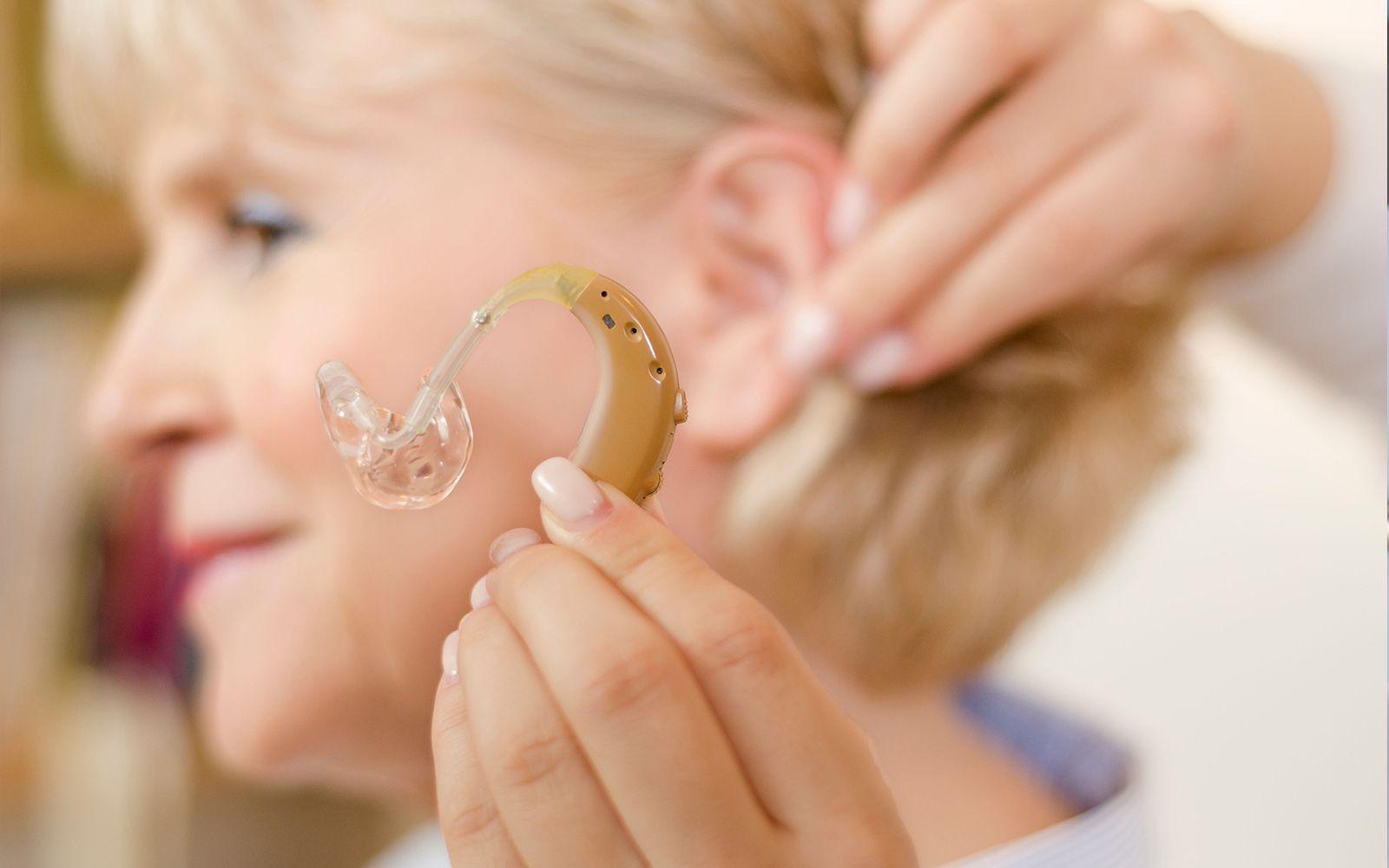
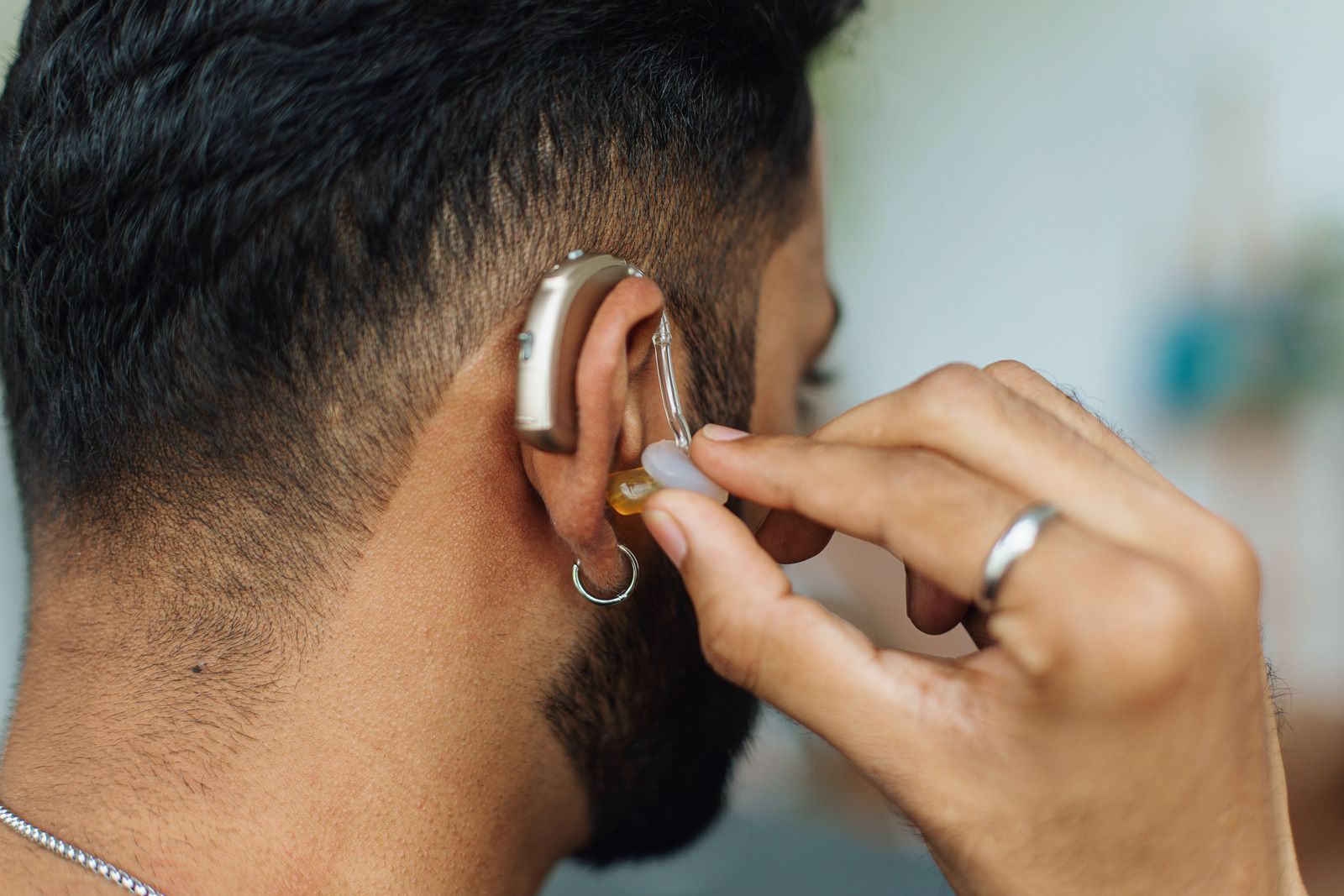
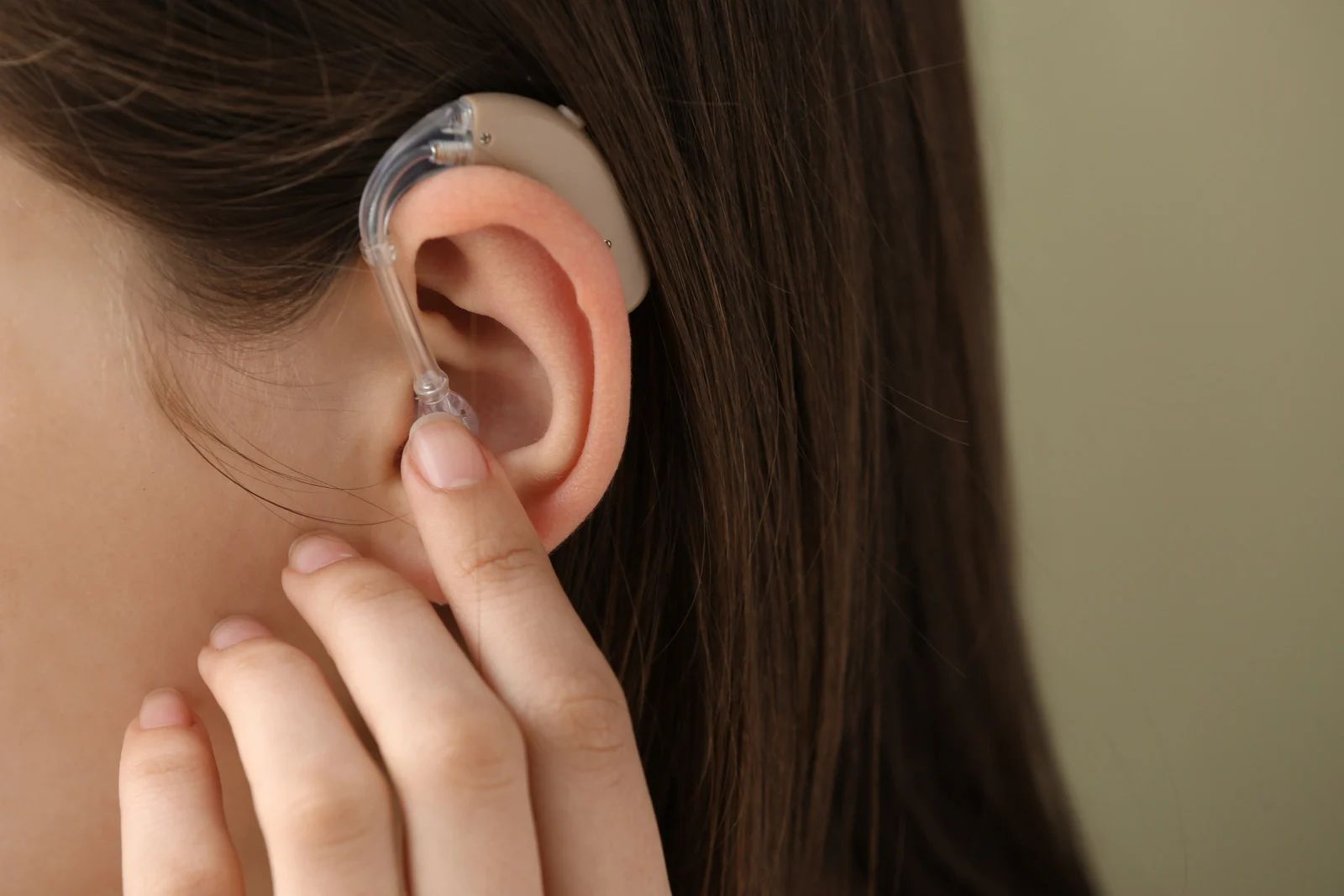
Some hearing aids feature noise reduction, wind-blocking technologies, and enhanced directionality—ideal for Minnesota’s outdoors. These devices help distinguish between important sounds and background noise. Opting for waterproof or moisture-resistant models ensures durability during humid or snowy conditions.
Educate Yourself on Hearing Health
Understanding the signs of hearing loss, learning proper ear care, and recognizing dangerous noise levels empower outdoor enthusiasts to protect themselves. Knowledge reduces the risk of long-term hearing issues and enhances confidence in outdoor settings.
Real-World Scenarios for Minnesota Outdoor Enthusiasts
- The Distracted Deer Hunter:- A hunter with early-stage hearing loss may mistake wind rustling for animal movement or miss soft hoof sounds entirely. By using electronic hearing protection and practicing sound recognition techniques, they can regain the ability to detect these subtle cues, improving both safety and performance.
- The Hiker Missing Warning Calls:- A hiker on a dense trail may not hear a mountain biker approaching from behind. By relying on visual checking habits, staying to one side of the trail, and using hearing assistive devices, they can stay aware and prevent accidents.
- The Group Communication Breakdown:-
A group of Minnesota hunters may become separated due to misheard instructions. Establishing visual signals and checking in frequently prevents confusion and keeps the group organized, especially in heavily wooded areas. These scenarios highlight how simple adjustments create safer and more enjoyable outdoor experiences.
Building Safer Outdoor Experiences Through Hearing Readiness
For those experiencing signs of
hearing loss or seeking expert guidance tailored to an active outdoor lifestyle, Trebil Hearing Center
in Crosslake, MN, offers trusted support backed by 40
years of experience. The team understands how essential hearing is for safe and enjoyable outdoor activities, especially in Minnesota’s diverse recreational environments. Their comprehensive hearing evaluations, advanced hearing aid technology, and personalized care allow individuals to regain clarity, confidence, and awareness in every adventure. Whether you are a hunter relying on subtle environmental cues or a hiker navigating challenging terrain, their skilled professionals provide solutions tailored to your unique needs. Trebil Hearing Center
remains committed to helping individuals maintain strong hearing health through expert advice, top-tier technology, and ongoing care. With decades of proven service, they stand as a reliable partner for anyone looking to enhance their outdoor experiences while protecting their hearing for the years ahead.