How Hearing Loss Affects Relationships and Communication
April 14, 2026

Emotional Impact on Relationships
Frustration and Miscommunication
Hearing loss can create recurring miscommunications that lead to frustration and emotional strain. When words are misheard or repeated, conversations may require constant clarification, often leaving both parties feeling impatient. This can cause misunderstandings, tension, or feelings of being undervalued. Family members may unconsciously speak louder or slower, which can feel patronizing, while friends may avoid engaging in long discussions, increasing emotional distance. Such interactions, when frequent, may gradually erode emotional intimacy and reduce mutual satisfaction in relationships over time.
Feelings of Isolation
Emotional isolation is a common consequence of untreated hearing loss. Missing out on jokes, stories, or everyday exchanges can make the individual feel disconnected, leading to a reluctance to participate in social events or family activities. Friends may interpret this withdrawal as disinterest rather than a hearing-related barrier, creating further emotional distance and potential misunderstandings. Over time, the lack of shared experiences can weaken bonds, reduce relationship satisfaction, and increase the risk of loneliness and emotional fatigue.
Impact on Self-Esteem
Hearing difficulties can significantly affect confidence and self-esteem. Fear of misunderstanding or embarrassment may lead to avoiding conversations, social gatherings, or casual interactions. In intimate relationships, hesitancy to communicate openly about feelings can result in emotional gaps, reducing mutual understanding and closeness. Acknowledging these emotional effects early is the first step toward addressing challenges, strengthening communication, and maintaining strong, supportive, and healthy relationships over time.
Communication Challenges in Family Dynamics
Difficulty in Everyday Conversations
Family interactions often involve multitasking, background noise, or rapid exchanges, making comprehension especially challenging. Simple activities, such as discussing dinner plans or coordinating schedules, may require repeated explanations, which can cause tension and stress for all involved. Family members may feel frustrated, and the person experiencing hearing loss may feel guilty or overwhelmed, affecting overall family harmony. These difficulties, if left unaddressed, can gradually strain relationships and reduce enjoyment of daily interactions at home.
Misinterpretation of Intentions
Hearing loss can result in misinterpreting tone, sarcasm, or subtle emotional cues. A partner’s neutral statement may be perceived as critical, or humor may be missed entirely, causing unnecessary friction. These misinterpretations can escalate disagreements, affect family harmony, and create lingering resentment over time. Recognizing the risk of misunderstandings allows families to approach conversations with patience and empathy, minimizing conflict and supporting positive connections.
Strategies for Better Family Communication
- Visual cues: Maintaining eye contact and reading facial expressions can improve understanding and reduce repeated clarifications.
- Clear articulation: Speaking slowly and clearly, without exaggerating, helps ensure messages are understood correctly.
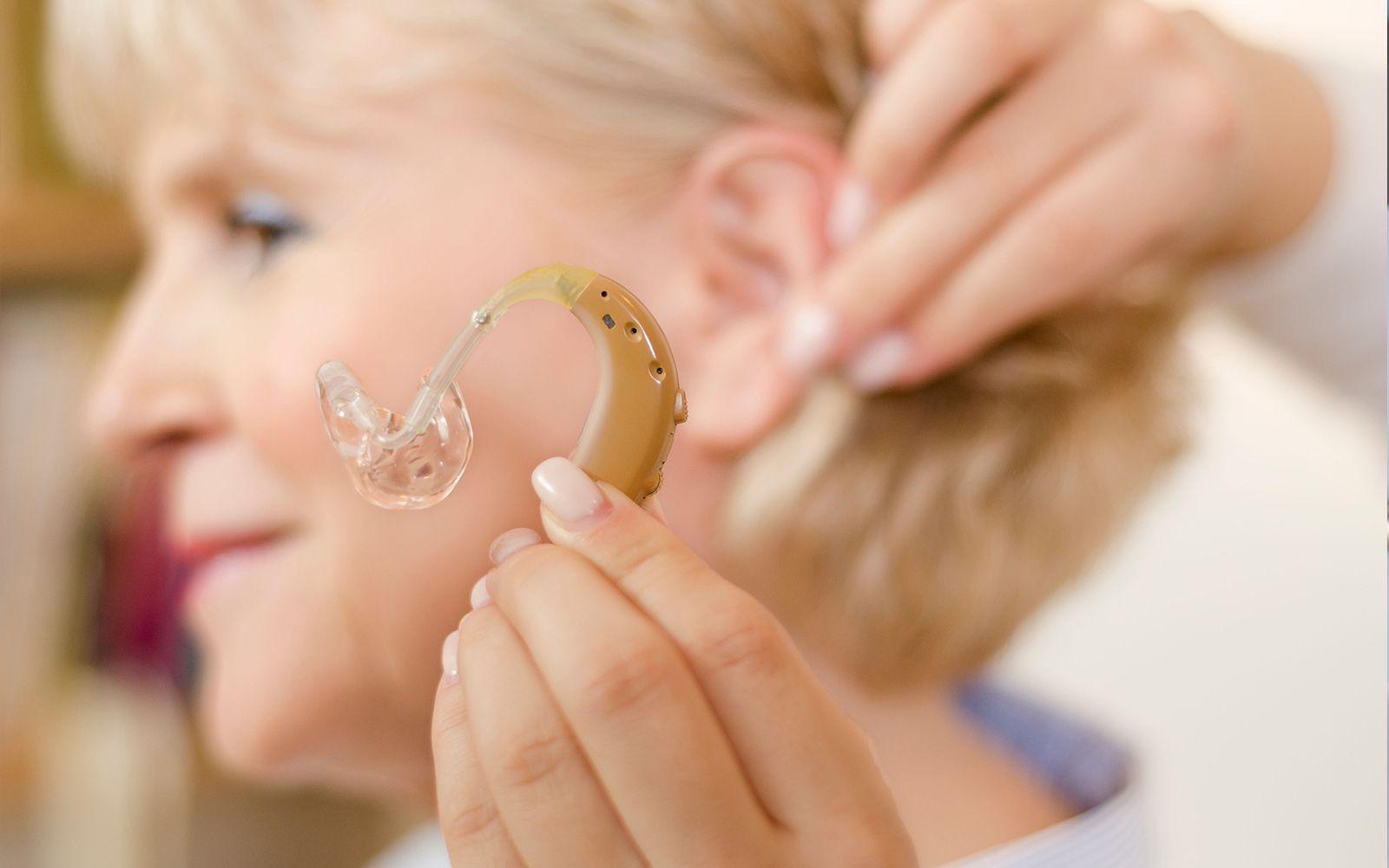
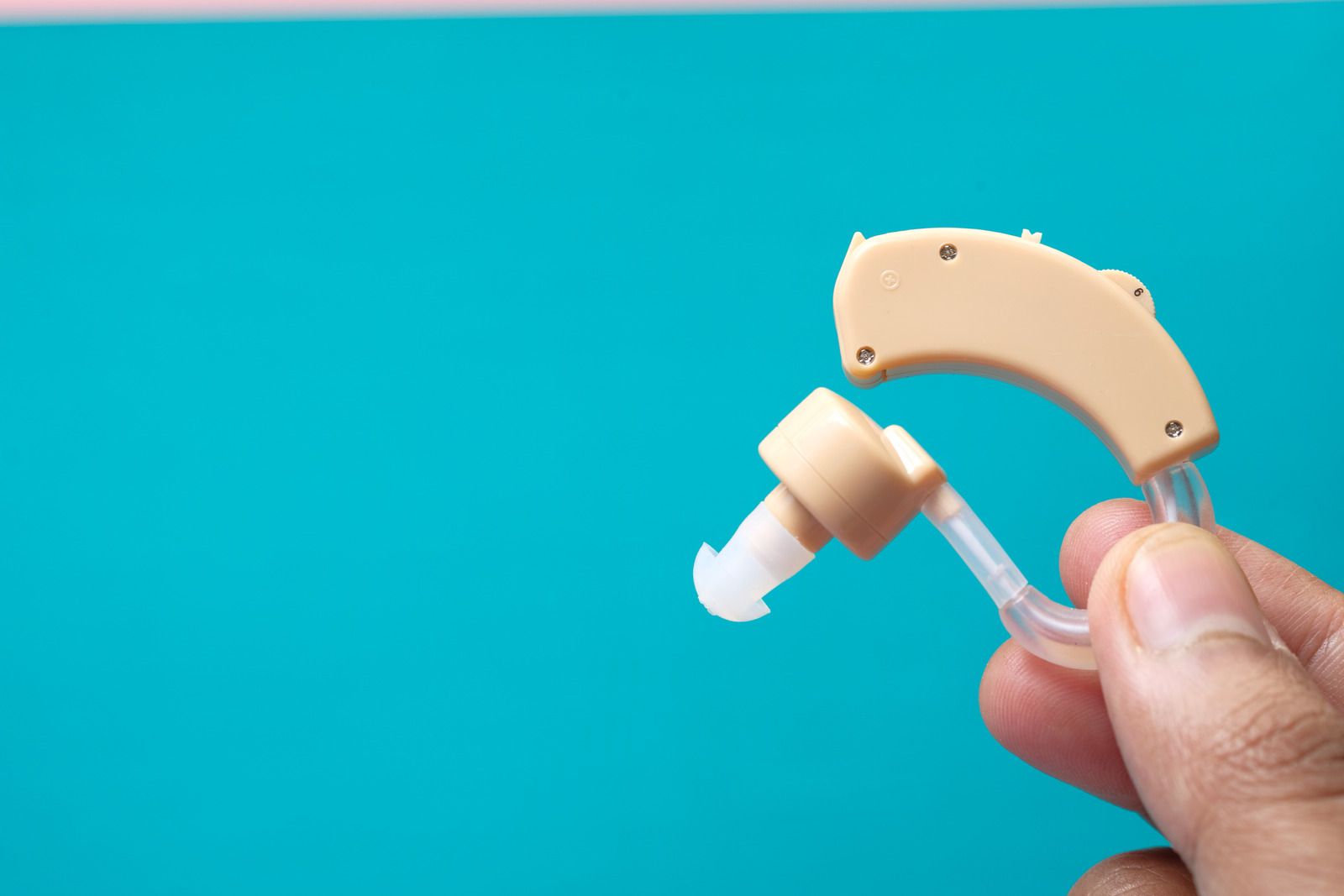
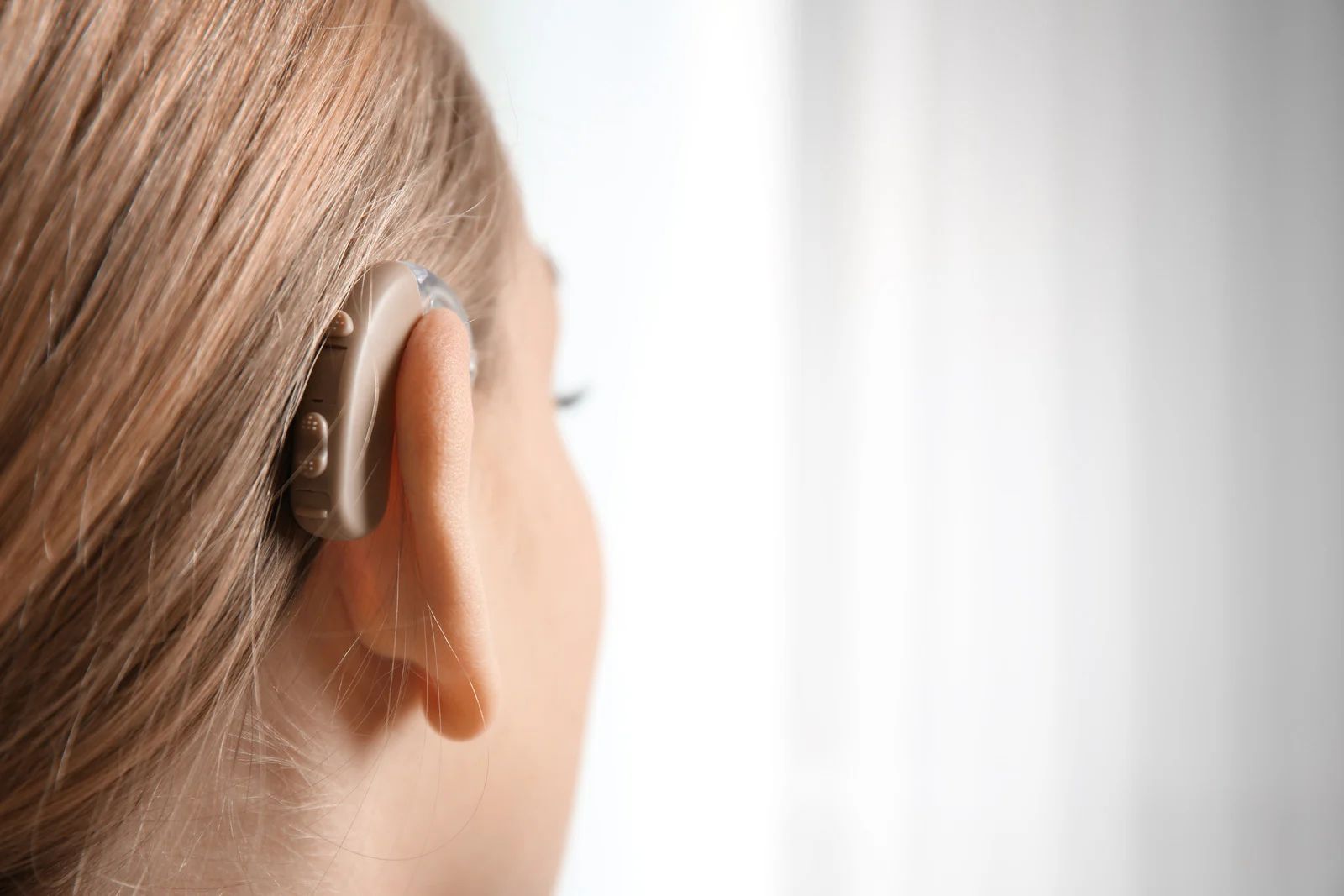
- Assistive technology: Using hearing aids or communication devices can effectively bridge gaps and enhance interactions.
- Check-ins: Periodically verifying comprehension helps prevent miscommunication from accumulating and strengthens trust.
Implementing these strategies fosters patience, empathy, and a collaborative approach to communication, helping family members maintain stronger, more connected relationships over the long term.
Friendship and Social Interaction
Social Withdrawal and Reduced Engagement
Hearing loss can influence friendships by limiting participation in group settings or social activities. Background noise in restaurants, parties, or group calls may be overwhelming, prompting avoidance or early departures. Over time, this withdrawal may lead to smaller social circles, reducing shared experiences that strengthen friendships, as well as diminishing overall social confidence and emotional well-being.
Challenges in Expressing Emotions
Expressing feelings or offering support can become complicated when hearing is impaired. Emotional cues may be missed, and responses may be delayed or inappropriate, potentially frustrating friends or creating awkward situations. Misunderstandings may occur when the person cannot fully engage in conversations, making it harder to maintain close bonds, trust, and meaningful emotional connections.
Building Supportive Friendships
- Open communication: Explaining hearing challenges to friends encourages understanding, patience, and empathy.
- Alternative communication methods: Text messages, video calls with captions, or group chats can supplement conversations and reduce isolation.
- Inclusive activities: Choosing social activities that minimize background noise or rely on visual cues ensures continued engagement and shared enjoyment.
These measures allow friendships to remain strong despite auditory limitations, enhancing social well-being, emotional resilience, and long-term relationship satisfaction.
Workplace and Community Implications
Professional Communication Barriers
Hearing loss can affect professional relationships, impacting meetings, team collaborations, and client interactions. Misunderstanding instructions, missing deadlines, or misinterpreting tone can unintentionally reduce professional credibility, create tension, or limit advancement opportunities. Workplace communication challenges may also affect confidence, job satisfaction, and collaboration effectiveness, requiring proactive strategies to maintain strong professional connections and achieve career goals.
Community Participation
In community settings such as clubs, volunteering, or group events, hearing loss may limit active involvement and reduce influence. Difficulty following discussions can cause hesitation to speak, contribute, or engage fully, diminishing social presence and confidence. These challenges may prevent participation in leadership roles or limit opportunities to build meaningful community relationships over time.
Best Practices for Social and Professional Engagement
Active listening techniques: Summarizing and repeating key points ensures accurate understanding and reduces misunderstandings.
Assistive tools: Personal amplifiers, captioning software, or hearing aids enhance participation and inclusion in group settings.
Advocacy: Informing colleagues and community members about hearing needs fosters empathy, patience, and inclusive interactions.
Adopting these approaches ensures sustained engagement, helping individuals maintain meaningful contributions and preserve strong relationships in both social and professional spheres.
Strategies to Strengthen Communication
Hearing Health Management
Addressing hearing loss proactively can significantly improve communication, confidence, and emotional connection. Regular hearing evaluations, hearing aids, or cochlear implants can restore sound perception, enabling smoother interactions and reducing misunderstandings. Early intervention prevents further isolation and helps maintain strong, supportive, and fulfilling personal and professional relationships.
Mindful Communication Techniques
- Face-to-face conversation: Minimizes reliance on background cues, enhances lip-reading, and improves comprehension.
- Confirming understanding: Asking clarifying questions prevents miscommunication and ensures mutual understanding.
- Reducing noise: Choosing quieter environments for discussions helps improve comprehension and engagement.
Emotional Support and Counseling
Professional counseling or support groups provide strategies to manage the emotional impact of hearing loss. Guidance on coping, relationship communication, and conflict resolution equips individuals to navigate interpersonal challenges confidently, reducing stress and enhancing emotional resilience.
Encouraging Patience and Empathy
Patience and empathy are essential for sustaining healthy relationships. Taking the time to understand hearing challenges encourages supportive responses, reduces frustration, and strengthens relational bonds over time, fostering connection, trust, and emotional security.
Real-World Examples and Success Stories
- Family Example:- A spouse with progressive hearing loss may struggle to follow conversations during family dinners or busy events. By incorporating assistive devices, visual cues, and structured check-ins, communication improves, reducing misunderstandings, emotional tension, and feelings of frustration, resulting in a stronger family connection.
- Friendship Example:- An individual avoiding social gatherings due to background noise gradually re-engages with friends using captioned video calls and smaller, quieter meetups. Consistent effort, clear communication, and patience restore social confidence, preserve friendships, and enhance mutual understanding and enjoyment of shared experiences.
- Workplace Example:-
A professional experiencing hearing loss utilizes assistive listening devices in meetings and requests summaries of key points. This proactive approach ensures performance remains unaffected, relationships with colleagues strengthen, and opportunities for advancement remain fully accessible, promoting confidence and professional satisfaction.
These scenarios demonstrate the practical benefits of early intervention, adaptive strategies, and supportive communication practices, improving connection, emotional well-being, and overall quality of life.
Trusted Guidance to Improve Everyday Communication Confidence
Hearing loss profoundly impacts relationships and communication across personal, social, and professional spheres. Emotional strain, miscommunication, and social withdrawal are common consequences that can affect family dynamics, friendships, and workplace interactions. By recognizing these challenges and adopting practical strategies, individuals can mitigate negative effects, strengthen relationships, and foster more inclusive interactions. Hearing management, assistive technology, mindful communication, and emotional support are critical tools to bridge communication gaps, enhance understanding, and preserve connection.
At Trebil Hearing Center, we bring over 40
years of expertise in supporting individuals with hearing loss. Located in Crosslake, MN, we specialize in
personalized hearing solutions designed to improve communication, emotional well-being, and overall quality of life. Our commitment combines advanced technology with compassionate care to ensure every client regains confidence in social, familial, and professional interactions. With decades of experience, we provide trusted guidance, comprehensive evaluations, and customized hearing aid options, helping individuals reconnect with loved ones and maintain meaningful relationships. By prioritizing both hearing health and emotional connection, we ensure lifelong support for better communication and enriched relationships.