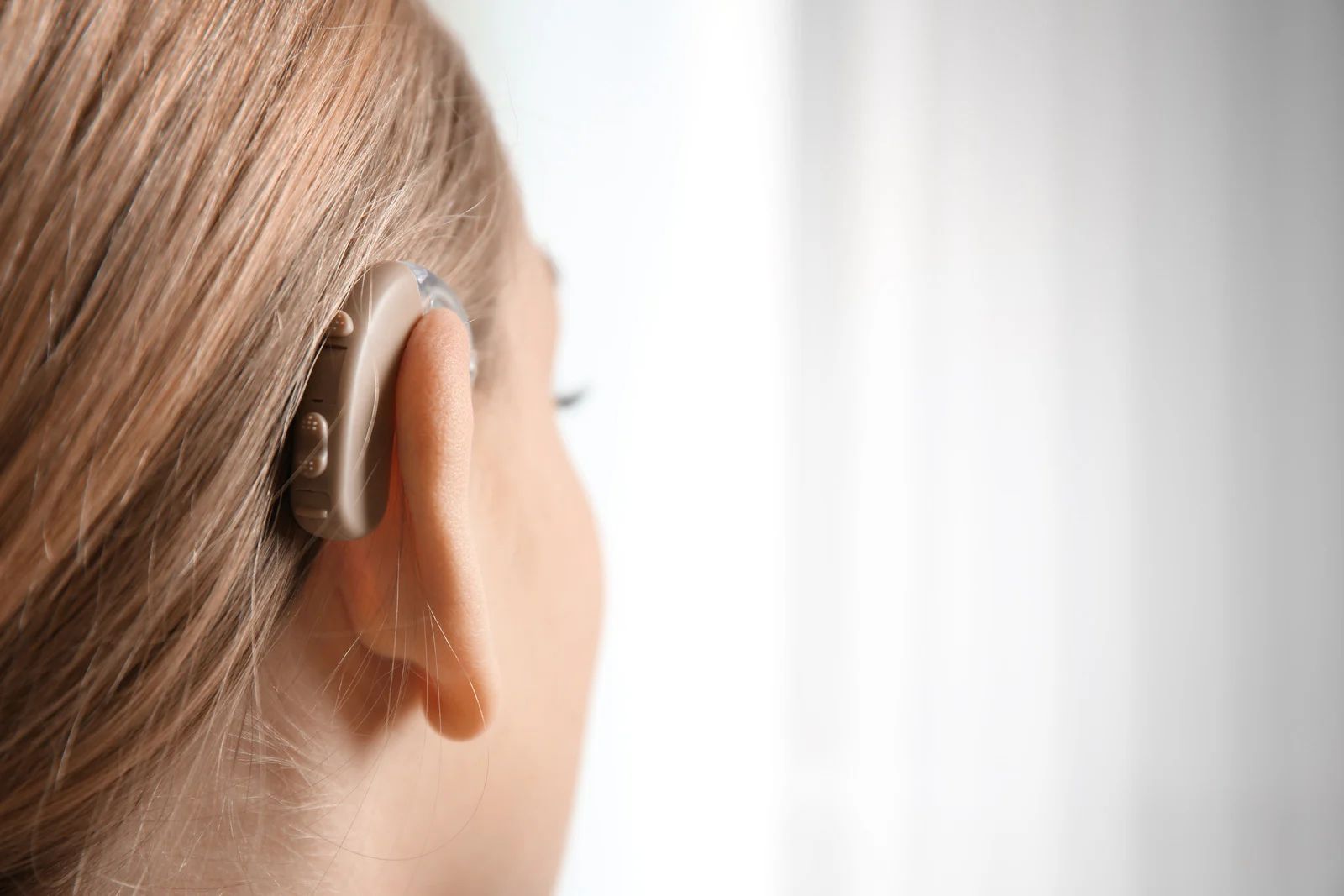
Can Hearing Loss Be Prevented? Tips for Long-Term Ear Health

March 18, 2026

Hearing is one of the most vital senses, yet it is often taken for granted until signs of decline emerge. Globally, millions of individuals face hearing difficulties that affect communication, social engagement, and overall quality of life. While age-related hearing loss is a common concern, research shows that much of hearing decline is preventable with proactive strategies. Protecting hearing is not only about preserving sound perception—it also contributes to cognitive health, emotional well-being, and social connectivity. Understanding how to protect the ears and preserve hearing function is increasingly important in an age where noise pollution, personal audio devices, and occupational hazards are prevalent, making awareness and prevention essential for long-term quality of life.


Maintaining long-term ear health is not limited to older adults. Hearing protection should begin at any age, from childhood exposure to loud environments to adult lifestyle choices and routine healthcare. Simple adjustments, awareness of risk factors, and the adoption of safe listening practices can significantly reduce the likelihood of hearing damage. Incorporating preventive measures into daily routines helps strengthen resilience against both temporary and permanent hearing impairments. This guide provides actionable tips and expert-backed advice for safeguarding hearing across all stages of life. From understanding environmental risks to implementing daily preventive habits, these strategies empower individuals to take control of auditory wellness and support a lifetime of clear, vibrant hearing, ensuring both safety and enjoyment in everyday life.

1. Understanding Hearing Loss and Its Causes

  • Types of Hearing Loss

    Hearing loss manifests in several forms, each with distinct causes and implications. Sensorineural hearing loss arises from damage to the inner ear or auditory nerve and is often permanent. Conductive hearing loss involves issues in the outer or middle ear, such as fluid accumulation or ear infections, and may be treatable. Mixed hearing loss combines both sensorineural and conductive factors. Recognizing the type of hearing impairment is crucial for implementing effective preventive measures.

  • Common Risk Factors

    Exposure to loud noises is a leading contributor to hearing decline. Continuous use of headphones at high volumes, attending concerts without ear protection, and industrial noise in workplaces can cumulatively damage delicate hair cells in the cochlea. Other factors include aging, genetic predispositions, certain medications, chronic illnesses like diabetes and cardiovascular disease, and lifestyle choices such as smoking. Understanding these risks allows for targeted strategies to mitigate their impact on auditory health.

  • Early Warning Signs

    Early detection plays a pivotal role in prevention. Difficulty understanding conversations in noisy environments, frequently asking others to repeat themselves, or experiencing ringing in the ears (tinnitus) are common indicators of declining hearing. Prompt attention to these signs can prevent further deterioration and improve the effectiveness of interventions. Regular hearing assessments, even in the absence of noticeable symptoms, help monitor auditory health proactively.

2. Protecting Ears from Noise Exposure

  • Limit Exposure to Loud Sounds:- Noise-induced hearing loss is preventable by managing the duration and intensity of sound exposure. Limit time spent in loud environments, such as clubs, sports arenas, or construction sites. Reduce the volume when listening to music or watching media through headphones, aiming for a level that allows clear conversation without strain. Adhering to the 60/60 rule—listening at no more than 60% volume for no more than 60 minutes at a time—offers a practical guideline for safe listening.
  • Use Personal Protective Equipment:-  When exposure to unavoidable loud noise occurs, using appropriate hearing protection is essential. Earplugs and noise-canceling earmuffs can significantly reduce decibel levels entering the ear. Industrial workers, musicians, or frequent concert-goers should invest in custom-fitted protection to ensure optimal effectiveness without compromising comfort. Consistent use, even in seemingly moderate noise, contributes to long-term preservation of hearing capacity.
  • Manage Environmental Noise:- Beyond personal devices and recreational activities, environmental noise can gradually impair hearing. At home or in office spaces, consider sound-absorbing materials, lower speaker volumes, and strategic placement of machinery to reduce overall noise exposure. Advocating for community noise regulations, such as traffic and construction limits, can also have a measurable impact on auditory health over time.

3. Maintaining Ear Health Through Lifestyle Choices

  • Balanced Nutrition

    Certain nutrients play a significant role in supporting ear function. Vitamins A, C, E, and minerals like magnesium and zinc contribute to proper blood flow to the inner ear and protect against oxidative stress. Including leafy greens, citrus fruits, nuts, and lean proteins in the diet supports auditory health. Staying hydrated ensures the fluid balance in the inner ear remains stable, which is critical for sound transmission and equilibrium.

  • Regular Physical Activity

    Exercise promotes cardiovascular health, which directly benefits hearing. Adequate blood flow ensures the delicate structures within the cochlea receive necessary oxygen and nutrients. Aerobic activities, strength training, and flexibility exercises reduce the risk of age-related hearing decline by supporting overall vascular health. Even moderate daily movement, such as brisk walking or cycling, can contribute to long-term auditory resilience.

  • Avoid Harmful Substances

    Smoking and excessive alcohol consumption have been linked to increased risk of hearing loss. Nicotine constricts blood vessels, reducing oxygen supply to the inner ear, while alcohol can exacerbate inflammation and oxidative damage. Limiting or eliminating these substances enhances the body’s ability to maintain healthy auditory structures, complementing other preventive strategies.

4. Regular Hearing Checkups and Professional Care

  • Schedule Routine Assessments:- Proactive hearing evaluations are key to long-term prevention. Audiologists can detect subtle changes before they become noticeable, enabling early intervention. Adults should consider baseline testing in their 20s or 30s, followed by periodic checkups every few years. Children and adolescents benefit from regular screenings, particularly in school settings or if exposed to noisy environments, to ensure proper auditory development.
  • Seek Prompt Medical Attention:-  Any sudden hearing changes, persistent ringing, or ear pain should prompt immediate professional evaluation. Conditions like ear infections, wax buildup, or fluid in the middle ear can lead to temporary hearing loss but may become permanent if untreated. Early intervention not only restores hearing but also prevents long-term complications.
  • Leverage Technological Support:- Modern hearing technologies, such as digital hearing aids and assistive listening devices, can mitigate the impact of early hearing loss and prevent further strain on auditory pathways. While prevention remains the primary goal, understanding available support options ensures optimal hearing quality and overall well-being.

5. Safe Listening Practices for Daily Life

  • Headphone Safety

    Personal audio devices are a major source of avoidable hearing damage. Use over-ear headphones instead of in-ear buds to reduce direct pressure on the eardrum. Keep volume at a moderate level, and take breaks to allow the ears to rest. Noise-canceling headphones can help maintain low volumes even in noisy environments, preventing the need to increase sound levels excessively.

  • Mindful Recreational Choices

    Concerts, sporting events, and recreational shooting activities expose ears to high-decibel environments. Use high-quality ear protection and maintain a safe distance from sound sources when possible. For musicians, alternating performance schedules and incorporating silent practice sessions can reduce cumulative auditory strain. Small adjustments in recreational habits accumulate to significant long-term benefits.

  • Household and Workplace Awareness

    Daily tasks, such as mowing the lawn, using power tools, or operating machinery, contribute to gradual hearing decline. Wearing protective gear during these activities is essential. In office settings, reducing exposure to loud machinery or employing white noise to mask disruptive sounds can protect hearing while maintaining productivity. Establishing consistent safety routines ensures ongoing ear health in all environments.

6. Supporting Hearing Health Across the Lifespan

  • Educate Children Early:- Early awareness helps children develop lifelong habits for auditory wellness. Teaching safe listening practices, limiting screen time, and encouraging outdoor activities without exposure to loud machinery promotes healthy hearing development. Schools can support this by incorporating hearing education into curricula and providing regular screenings.


  • Aging and Preventive Measures:-  As adults age, natural hearing decline can be compounded by lifestyle and environmental factors. Maintaining proactive habits—such as regular checkups, hearing protection, and cardiovascular wellness—slows the progression of age-related loss. Cognitive engagement, including reading, social interaction, and musical activities, also supports auditory processing and overall brain health, indirectly benefiting hearing longevity.

  • Community and Public Health Initiatives:- Advocating for public awareness of noise pollution and access to affordable hearing care strengthens community-wide auditory health. Support for workplace safety standards, noise ordinances, and educational programs enhances the environment for everyone, reducing preventable hearing damage on a broader scale.

Professional Care Advancing Long-Term Hearing Preservation

Hearing loss is not an inevitable part of aging or lifestyle; proactive measures significantly influence long-term ear health. Understanding risk factors, maintaining safe listening habits, leveraging protective equipment, and integrating healthy lifestyle choices are central to preventing auditory decline. Early detection through routine screenings ensures timely intervention, while education fosters awareness from childhood through adulthood. With consistent attention and practical strategies, individuals can preserve hearing function and maintain quality of life across all stages.


At Trebil Hearing Center, experience and dedication to hearing health span over 40 years. Located in Crosslake, MN, we provide personalized hearing assessments, professional guidance, and advanced hearing aid solutions to help maintain and improve auditory wellness. Our expertise ensures comprehensive support for individuals seeking preventive care or intervention. By prioritizing proactive strategies and leveraging decades of specialized knowledge, Trebil Hearing Center empowers lifelong hearing preservation, offering reliable solutions and a trusted resource for maintaining optimal ear health. Our commitment reinforces that with the right care, hearing loss can be effectively managed and even prevented.

Hand holding a beige hearing aid against a turquoise background.
February 6, 2026
Hearing aids have become an essential tool for millions of people managing hearing loss, and technological advancements have transformed the user experience dramatically. Modern hearing aids now offer not only improved sound quality and connectivity but also greater convenience and customization.
Woman touching ear, red skin indicating pain or inflammation.
January 30, 2026
Visiting a hearing specialist for the first time can feel overwhelming. Many people delay seeking help due to uncertainty about what the appointment entails, concerns about cost, or simply not knowing where to start.
Person putting an ear piece into their ear that is attached to a hearing aid.
December 18, 2025
Exploring Minnesota’s vast wilderness is more than a pastime—it’s a way of life. Whether trekking along dense forest trails or waiting patiently in a tree stand during hunting season, outdoor enthusiasts rely heavily on their senses to stay aware, safe, and confident. Among these, hearing plays an irreplaceable role.
Show More
Hand holding a beige hearing aid against a turquoise background.
February 6, 2026
Hearing aids have become an essential tool for millions of people managing hearing loss, and technological advancements have transformed the user experience dramatically. Modern hearing aids now offer not only improved sound quality and connectivity but also greater convenience and customization.
Woman touching ear, red skin indicating pain or inflammation.
January 30, 2026
Visiting a hearing specialist for the first time can feel overwhelming. Many people delay seeking help due to uncertainty about what the appointment entails, concerns about cost, or simply not knowing where to start.
Person putting an ear piece into their ear that is attached to a hearing aid.
December 18, 2025
Exploring Minnesota’s vast wilderness is more than a pastime—it’s a way of life. Whether trekking along dense forest trails or waiting patiently in a tree stand during hunting season, outdoor enthusiasts rely heavily on their senses to stay aware, safe, and confident. Among these, hearing plays an irreplaceable role.
Show More