Seasonal Hearing Care Tips for Cold Minnesota Winters
Minnesota winters are renowned for their breathtaking beauty, with snow-covered landscapes and crisp, clear skies. Yet, the extreme cold, dry air, and icy conditions that define this season can pose significant challenges for ear health and hearing aid maintenance. For individuals relying on hearing aids or simply looking to protect their hearing, understanding how to navigate these conditions is essential. Cold weather not only affects comfort but can also exacerbate hearing difficulties if preventive measures are overlooked. Winter-specific hearing care is therefore not just a matter of convenience—it is a health necessity.
In the northern Midwest, sudden temperature changes, wind chill, and prolonged indoor heating can lead to dry ear canals, increased susceptibility to infections, and malfunctioning hearing devices. Without proper care, even minor neglect can result in discomfort or reduced hearing performance. This guide provides actionable strategies to protect both ears and hearing aids during Minnesota’s harsh winter months. From daily maintenance routines to practical lifestyle adjustments, the advice shared here equips individuals to maintain optimal hearing health and ensure hearing aids perform reliably, even in subzero temperatures.
Understanding Winter Effects on Hearing and Hearing Aids
How Cold Air Impacts Ear Health
Exposure to cold air causes blood vessels in the outer ear to constrict, reducing circulation and potentially increasing sensitivity to sound, which can make ears feel stiff and uncomfortable during prolonged outdoor exposure. For some, prolonged exposure can trigger ear pain, stiffness, or heightened risk of infections, especially when consistently spending time outside in subzero temperatures. Cold air can also dry out the ear canal, making it more susceptible to wax buildup, which can affect both natural hearing and hearing aid performance, potentially leading to temporary hearing difficulty.
Effects on Hearing Devices
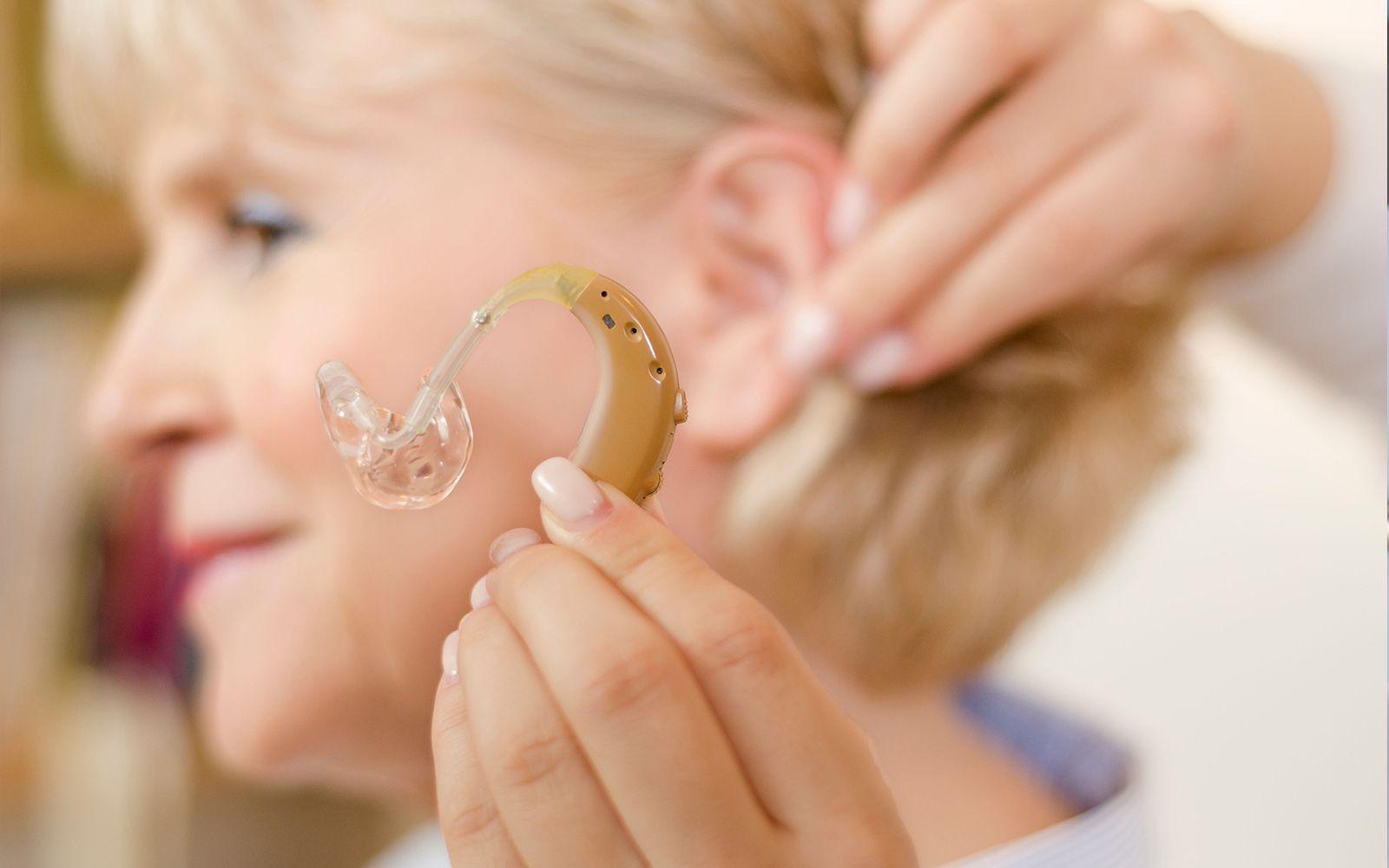
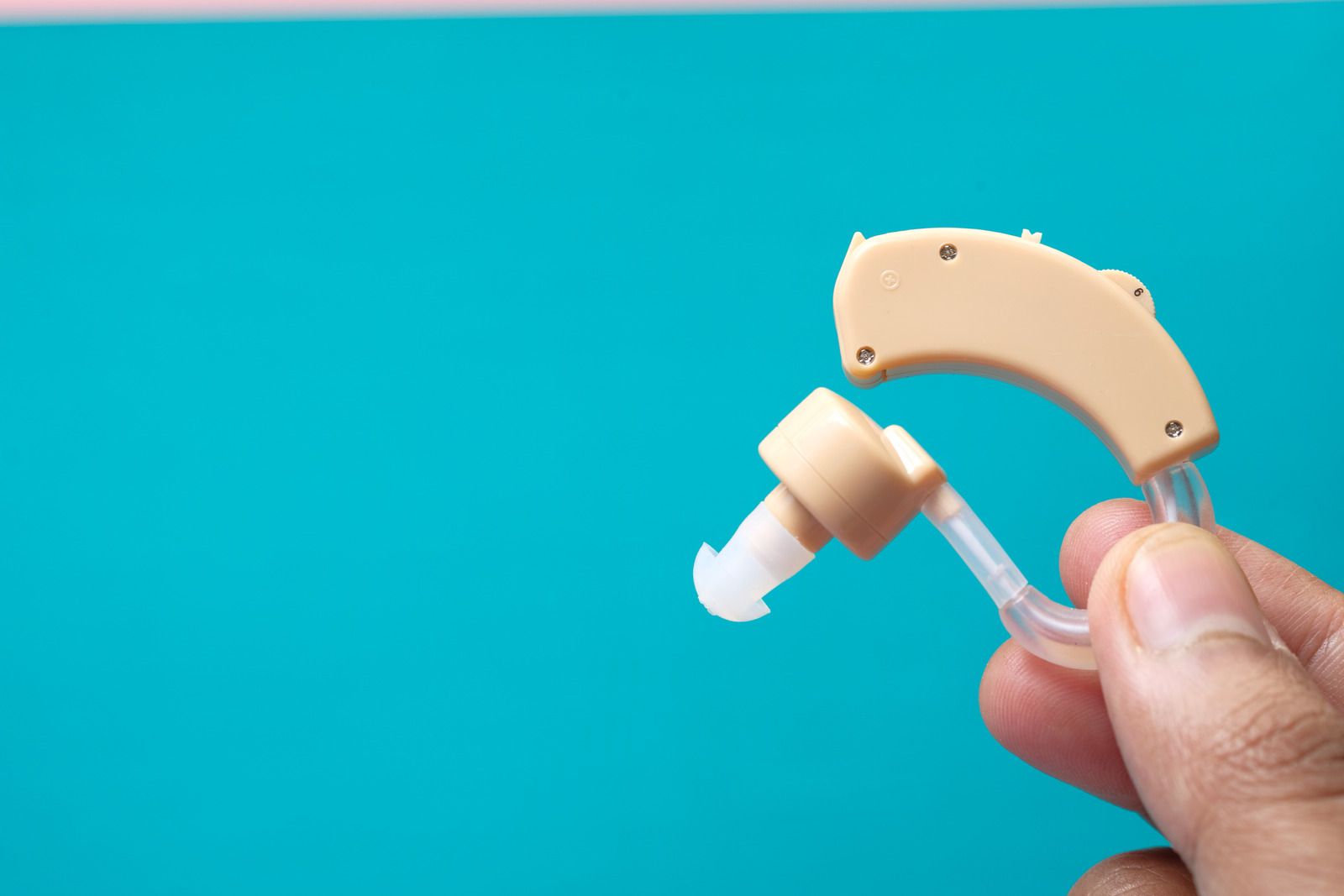
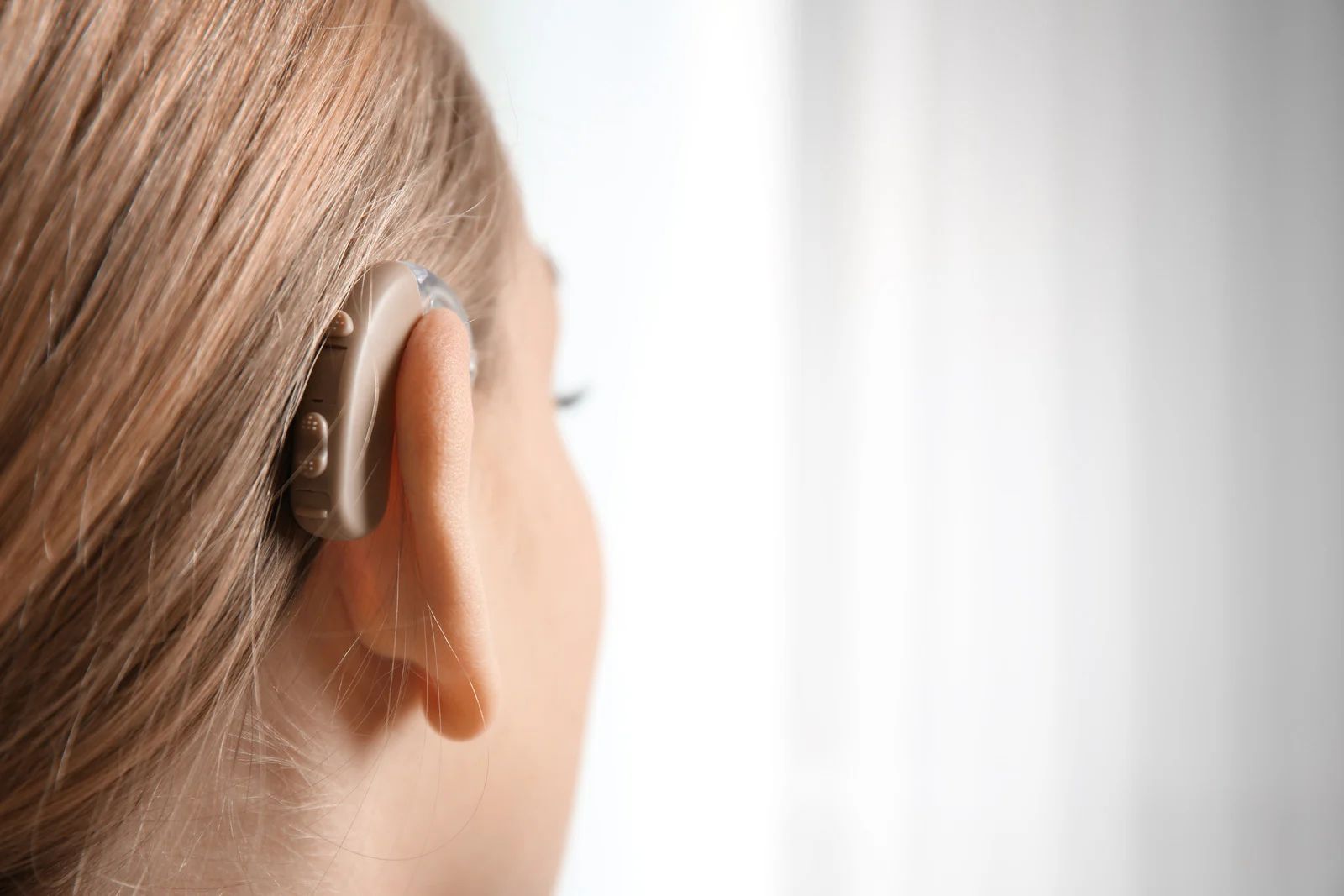
Hearing aids are sensitive electronic devices that rely on moisture-free environments to function correctly and maintain consistent amplification throughout daily use. Extreme cold can cause battery drain, reduce amplification efficiency, and create condensation inside the device, affecting performance when outdoors for extended periods. Moisture from melting snow or body heat trapped in earmolds can exacerbate these issues, potentially leading to costly repairs if preventive measures are not taken promptly during winter months.
Common Challenges
- Rapid transitions from outdoor cold to heated indoor environments can cause sudden ear discomfort.
- Increased static or feedback due to earwax and moisture accumulation may reduce hearing clarity.
- Risk of dropping hearing aids on icy surfaces during outdoor activities is particularly high in snowy conditions.
Protecting Ears from Cold and Dry Air
Layering and Physical Protection
Wearing earmuffs, hats, or headbands that cover the ears creates an insulating layer that shields from wind chill while preserving hearing aid functionality. Soft, fleece-lined options prevent excessive pressure on hearing aids while providing warmth and comfort in freezing temperatures. For outdoor sports like skiing or snowshoeing, helmets with built-in ear protection offer both safety and thermal insulation, helping prevent ear pain or frostbite during extended exposure.
Managing Dryness
Indoor heating in homes and workplaces dries the air, which can irritate ear canals and worsen discomfort for sensitive ears. Using a humidifier helps maintain moisture levels in the air, reducing dryness and preventing itching or cracking that may affect hearing aid performance. Staying hydrated also supports natural lubrication of the ear canal and promotes overall ear health during long winter months.
Ear Care Best Practices
Avoid inserting cotton swabs too deeply; instead, use soft, dry cloths or ear drops recommended by audiologists to prevent injury.
Schedule regular earwax removal when winter months begin, preventing buildup that can interfere with hearing aids or reduce sound clarity.
Limit prolonged exposure to subzero temperatures when possible, especially during windy conditions, to protect ears and prevent cold-induced discomfort.
Practical Lifestyle Adjustments for Winter Hearing Care
Activity Planning
Scheduling outdoor activities during the warmest parts of the day minimizes prolonged exposure to freezing temperatures while maintaining ear comfort. Short, frequent walks may be preferable to long sessions outdoors, reducing cold-induced ear stiffness or pain. When traveling in snowy conditions, ensure that hearing aids are secured with retention cords or clips to prevent accidental loss or damage during winter activities.
Communication Strategies
Snow and wind can make conversations challenging, even with hearing aids, due to background noise or muffled sounds. Face-to-face communication, lip-reading, and reducing background noise in indoor settings can enhance understanding and ensure clear conversations. Using smartphone apps or assistive listening devices can supplement hearing aid functionality when environments are less favorable, improving communication reliability during winter months.
Emergency Preparedness
Winter accidents can happen, and icy conditions increase fall risk, creating potential hearing aid hazards. Maintaining situational awareness and keeping emergency contacts readily accessible ensures safety while outdoors. Having backup hearing aids or batteries available in emergency kits helps maintain hearing functionality if devices fail during snowstorms or cold-weather emergencies.
Nutrition and Health Considerations
Supporting Ear Health from Within
Nutritional support can indirectly protect hearing, enhancing the body’s ability to maintain ear health during winter months. Omega-3 fatty acids, antioxidants, and vitamins A, C, and E contribute to blood vessel health and circulation, supporting optimal auditory function. Foods such as salmon, leafy greens, nuts, and berries are excellent winter staples, promoting overall ear resilience and reducing susceptibility to cold-related ear issues.
Managing Winter Illnesses
Colds and sinus infections are more common in winter and can temporarily affect hearing, especially when congestion blocks the ear canal. Early intervention, such as decongestants or humidified air, reduces ear pressure and prevents complications like fluid buildup behind the eardrum, ensuring uninterrupted hearing and comfort during illness.
Exercise and Circulation
Moderate exercise improves overall circulation, benefiting the delicate structures of the inner ear and supporting long-term hearing health. Indoor winter workouts, such as yoga or stationary cycling, help maintain cardiovascular health without exposure to extreme cold, reducing the risk of circulation-related ear problems.
Expert Tips for Long-Term Winter Hearing Care
Routine Checkups
Regular audiology visits before and during winter months ensure hearing aids are performing correctly and provide an opportunity for preventive maintenance. Technicians can fine-tune devices, replace worn components, and provide personalized advice for winter conditions, minimizing device malfunctions and improving overall auditory experience.
Custom Solutions
Custom earmolds and winter-specific hearing aid accessories improve comfort and functionality in cold climates. Soft, insulated silicone molds can prevent cold-induced ear pain while maintaining sound quality, ensuring reliable device performance throughout the harsh Minnesota winter season.
Education and Awareness
Understanding how temperature, moisture, and wind affect hearing aids allows proactive care, reducing the risk of damage or malfunction. Simple habits, like storing devices in dry, room-temperature areas and cleaning after outdoor activities, significantly reduce malfunction risks and extend device lifespan during winter.
Seasonal Device Upgrades
Modern hearing aids are designed to withstand cold and moisture better than earlier models, ensuring consistent performance in harsh conditions. Investing in winter-ready technology, such as water-resistant and temperature-stable devices, ensures reliable hearing and protection of auditory health throughout Minnesota winters.
Professional Winter Hearing Strategies You Can Trust
Winter in Minnesota presents unique challenges for hearing and hearing aid care, ranging from cold-induced ear discomfort to device malfunctions caused by moisture and temperature fluctuations. Protecting the ears with proper clothing, managing indoor dryness, maintaining hearing aids, and adjusting daily activities are essential steps to preserve auditory health during the colder months. Additionally, nutrition, circulation, and proactive medical care contribute to long-term ear health, ensuring clear and comfortable hearing despite harsh winter conditions.
At
Trebil Hearing Center, we bring over 40 years of experience providing expert hearing care to residents in
Crosslake, MN, and surrounding areas. Our
hearing aid center specializes in personalized solutions, winter-ready device recommendations, and guidance to maintain optimal hearing year-round. With a commitment to professional, reliable service, we ensure that each patient receives tailored advice and support, helping navigate Minnesota winters confidently. Trust our expertise to protect ears and hearing aids, keeping auditory health uncompromised through every snowy, cold season.